
In today’s highly competitive job market, submitting a strong resume and cover letter is the first step toward landing your dream role. Recruiters spend just a few seconds scanning each resume, so making a lasting impression is crucial. A well-crafted resume paired with a compelling cover letter not only showcases your skills and experience but also demonstrates your professionalism, attention to detail, and motivation for the role.
This guide will walk you through proven strategies to write a winning resume and cover letter, ensuring you grab recruiters’ attention and improve your chances of landing interviews.
Understanding the Role of a Resume and Cover Letter
A resume is a concise summary of your education, work experience, skills, and achievements. Its purpose is to show employers that you are qualified for the role. A cover letter, on the other hand, complements your resume by providing context, telling your story, and highlighting why you are the perfect fit for the position.
Why Both Are Important
- Resume: Highlights your qualifications and achievements in a structured format.
- Cover Letter: Demonstrates personality, motivation, and fit for the company culture.
- Combined Impact: When well-crafted, the two documents together create a strong first impression that increases the likelihood of being called for an interview.
Crafting a Winning Resume
Your resume is your marketing document. It should clearly communicate your value to the employer and be tailored to the job you are applying for.
Resume Structure and Essentials
- Contact Information: Include your full name, phone number, professional email, and LinkedIn profile.
- Professional Summary or Objective: A brief section summarizing your experience, skills, and career goals. Tailor it to the specific role.
- Work Experience: List jobs in reverse chronological order. Include achievements, responsibilities, and quantifiable results.
- Education: Mention degrees, certifications, and relevant coursework.
- Skills: Highlight both technical and soft skills relevant to the position.
- Additional Sections: Awards, projects, volunteer work, or publications can strengthen your profile.
Tips for Making Your Resume Stand Out
- Tailor for Each Job: Use keywords from the job description to pass Applicant Tracking Systems (ATS).
- Use Action Verbs: Start bullet points with strong verbs like “Led,” “Implemented,” “Achieved.”
- Quantify Achievements: Include measurable results, such as “Increased sales by 20% in six months.”
- Keep It Concise: Ideally, 1–2 pages depending on experience.
- Professional Formatting: Use clean, readable fonts and consistent spacing. Avoid unnecessary graphics or tables.
Writing an Effective Cover Letter
A cover letter gives context to your resume. It’s your opportunity to connect with the recruiter on a more personal level and explain why you are passionate about the role.
Cover Letter Structure
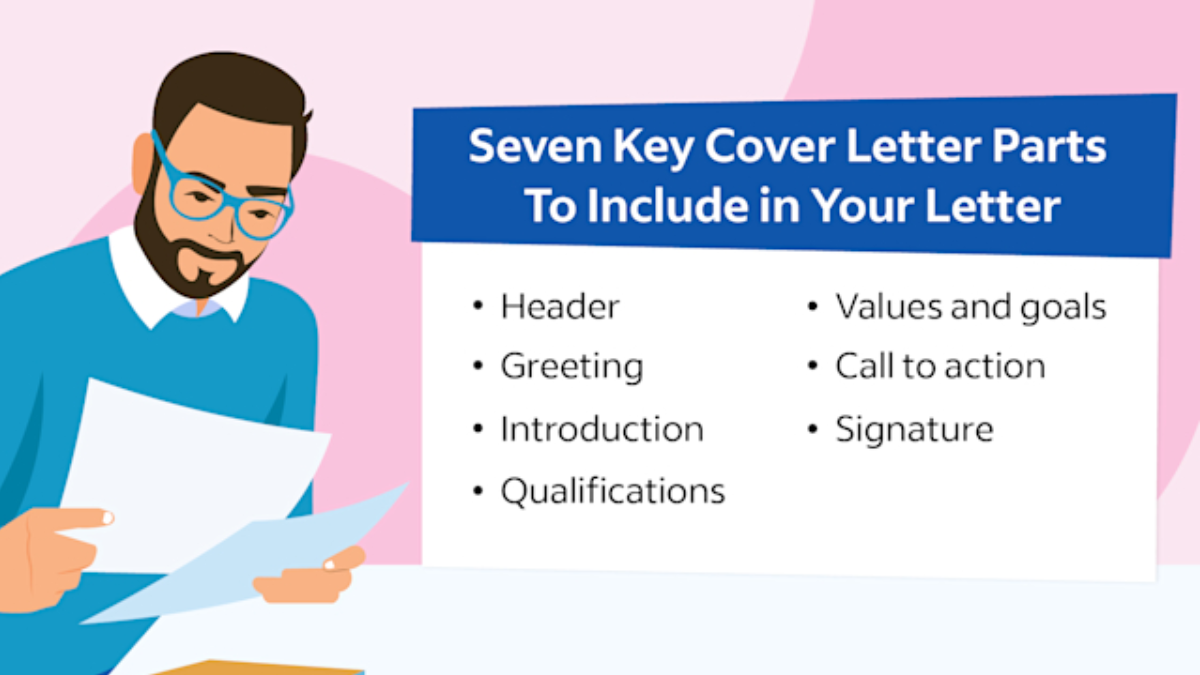
- Header: Include your contact information, the date, and the employer’s details.
- Introduction: Start with a strong opening sentence that grabs attention and states the position you’re applying for.
- Body Paragraphs:
- Highlight your relevant experience and skills.
- Explain how you can add value to the company.
- Share specific achievements that align with the job description.
- Conclusion: Express enthusiasm for the role, thank the recruiter for their time, and include a call-to-action, such as requesting an interview.
Tips for Writing a Compelling Cover Letter
- Customize for the Company: Mention why you are interested in the organization and how your values align.
- Keep It Concise: Ideally, one page with 3–4 paragraphs.
- Tell a Story: Use examples to demonstrate your skills in action.
- Professional Tone: Avoid casual language, but also show personality and enthusiasm.
- Proofread Thoroughly: Typos and grammatical errors can undermine your professionalism.
Optimizing for Applicant Tracking Systems (ATS)
Most companies now use ATS software to filter resumes before a human sees them. Understanding how ATS works can dramatically increase your chances of getting noticed.
ATS Optimization Tips
- Use standard headings like “Work Experience,” “Education,” and “Skills.”
- Include keywords from the job description naturally.
- Avoid images, graphics, and complex formatting that may confuse ATS.
- Use bullet points and simple fonts to enhance readability.
Highlighting Achievements and Results
Recruiters are less interested in job duties and more focused on accomplishments. A strong resume and cover letter should highlight your achievements and measurable results.
Examples of Achievements to Include
- Completed a project ahead of schedule, saving the company resources.
- Implemented a new process that increased efficiency by 30%.
- Managed a team that exceeded sales targets by 20%.
Quantifying your results provides tangible evidence of your capabilities and demonstrates your impact in previous roles.
Showcasing Transferable Skills
Transferable skills are abilities that can be applied across different roles and industries. They are especially important if you are switching careers or entering a new industry.
Examples of Transferable Skills
- Communication and presentation skills
- Leadership and team management
- Problem-solving and critical thinking
- Time management and organization
- Adaptability and resilience
Highlighting these skills can make your application more attractive to recruiters, even if you lack direct experience in the field.
Formatting and Design Best Practices
A clean and professional layout ensures your resume and cover letter are easy to read and visually appealing.
Resume Formatting Tips
- Use a simple, professional font such as Arial, Calibri, or Times New Roman.
- Keep font size between 10–12 for body text and 14–16 for headings.
- Use consistent spacing and alignment throughout.
- Avoid using multiple colors or distracting graphics.
Cover Letter Formatting Tips
- Align text to the left and use single spacing with double spacing between paragraphs.
- Stick to a professional, readable font and size.
- Keep it to one page.
- Use margins of 1 inch on all sides.
Common Mistakes to Avoid
Even small mistakes can reduce your chances of landing an interview.
Resume Mistakes
- Using generic resumes for multiple applications
- Including irrelevant information
- Grammatical errors and typos
- Overcomplicating the layout
Cover Letter Mistakes
- Failing to address the hiring manager personally
- Repeating your resume word-for-word
- Being too vague about your achievements
- Writing a lengthy, unfocused letter
Avoiding these mistakes ensures your application is professional, precise, and compelling.
Leveraging Online Tools and Resources
Various online tools can help you create professional resumes and cover letters.
Recommended Tools
- Resume Builders: Canva, Zety, NovoResume
- Grammar and Proofreading: Grammarly, Hemingway Editor
- Job Search Platforms: LinkedIn, Indeed, Glassdoor
- Portfolio Websites: Wix, WordPress, Behance
Using these resources can improve your application’s quality, readability, and overall impact.
Tailoring for Different Industries
Different industries have unique expectations for resumes and cover letters.
Industry-Specific Tips
- Technology: Highlight technical skills, certifications, and project experience.
- Marketing: Emphasize creative campaigns, results-driven achievements, and analytics skills.
- Finance: Focus on quantitative results, reporting, and compliance experience.
- Healthcare: Include licenses, certifications, and clinical achievements.
- Education: Showcase teaching experience, curriculum development, and student outcomes.
Customizing your application for your specific industry increases your chances of being noticed by recruiters.
The Importance of Proofreading and Feedback
Errors in your resume or cover letter can create a negative impression. Proofreading and seeking feedback are essential steps before submission.
Best Practices
- Review your documents multiple times.
- Ask a friend, mentor, or colleague to provide feedback.
- Use online grammar checkers to catch overlooked mistakes.
- Ensure consistency in formatting, dates, and job titles.
A polished and error-free application demonstrates professionalism and attention to detail.
Conclusion
A well-crafted resume and cover letter are your first opportunity to impress recruiters and secure interviews. By focusing on tailored content, clear formatting, quantifiable achievements, and relevant skills, you can create compelling applications that grab attention.
Remember to customize each application for the specific role and company, optimize for ATS, highlight transferable skills, and maintain professionalism throughout. Combining these strategies ensures your resume and cover letter stand out in today’s competitive job market, helping you land your dream job faster.