
Introduction
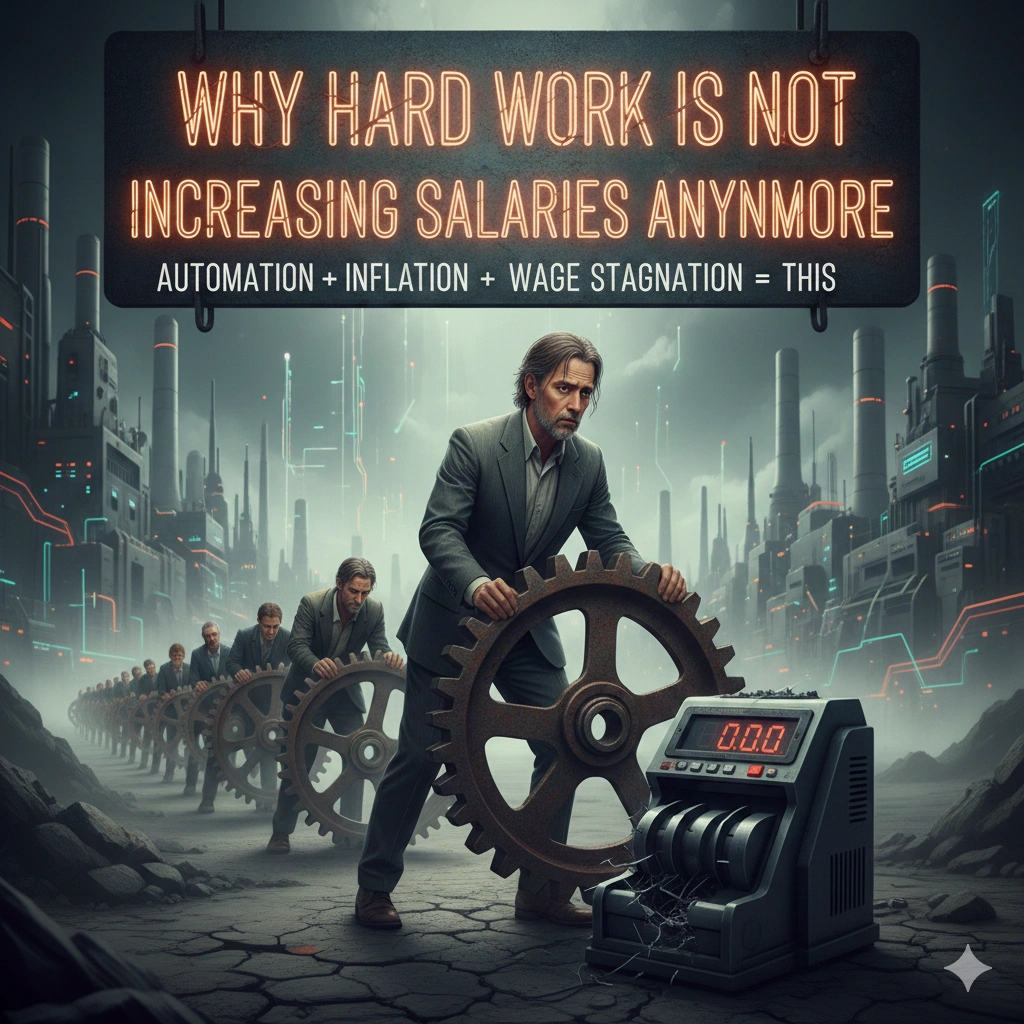
For generations, people were taught a simple formula for career success: work hard, stay loyal, and your salary will grow over time. This belief shaped how employees approached jobs, promotions, and long-term career planning. However, in today’s job market, many workers are discovering a harsh reality—hard work alone is no longer increasing salaries. Employees are putting in longer hours, taking on more responsibilities, and delivering better results, yet their pay remains stagnant.
This growing disconnect between effort and reward has led to frustration, burnout, and declining trust in employers. Across industries and countries, salary growth has slowed while workloads and expectations continue to rise. Understanding why hard work is no longer directly linked to salary increases is essential for both employees trying to navigate their careers and organizations aiming to retain talent.
This article explores the economic, organizational, and structural reasons why hard work is not translating into higher pay anymore—and what this shift means for the future of work.
The Traditional Promise of Hard Work
In the past, career growth followed a relatively predictable path:
- Consistent effort led to promotions
- Loyalty was rewarded with raises
- Experience automatically increased value
Many industries operated on seniority-based pay systems, where staying longer and working harder ensured financial progress. While this system had flaws, it offered employees a sense of stability and fairness.
Today, that model has largely collapsed.
Rising Cost of Living vs. Stagnant Wages
One of the most visible reasons hard work isn’t increasing salaries is wage stagnation.
1. Inflation Outpacing Salary Growth
Prices of housing, education, healthcare, and daily necessities have risen faster than wages. Even when employees receive small raises, their real purchasing power often decreases.
2. Cost-of-Living Adjustments Are Rare
Many organizations do not adjust salaries regularly to match inflation, making salary growth feel meaningless.
Hard work may lead to higher output, but it does not protect employees from economic realities.
Oversupply of Labor
1. More Qualified Workers Than Ever
Higher education access and online learning have increased the number of skilled workers competing for limited roles.
2. Global Talent Pool
Remote work allows companies to hire globally, often choosing lower-cost labor markets.
When talent is easily replaceable, individual hard work loses bargaining power.
Performance Is Expected, Not Rewarded
In many modern workplaces:
- High performance is considered the baseline
- Extra effort is normalized
- Overachievement becomes the new standard
Employees who consistently work hard are often rewarded with more work, not more pay.
Shift From Loyalty to Cost Efficiency
1. Decline of Long-Term Employment
Companies no longer expect employees to stay for decades—and employees feel the same.
2. Budget-Focused Salary Structures
Organizations prioritize cost control over rewarding individual effort.
As a result, loyalty and hard work are no longer tied to financial rewards.
The Rise of Role-Based Pay, Not Effort-Based Pay
Modern salary systems focus on:
- Job title
- Role scope
- Market value
Not on how hard someone works.
Two employees may put in vastly different levels of effort, yet earn the same salary because they share the same title.
Unclear and Limited Promotion Paths
1. Flat Organizational Structures
Many companies have fewer management layers, limiting promotion opportunities.
2. Promotion Without Pay Increase
Employees are often given more responsibility without corresponding salary growth.
Hard work does not guarantee upward movement anymore.
Bias and Favoritism in Salary Decisions
Even when raises are available:
- They may depend on visibility, not effort
- Favoritism can outweigh performance
- Quiet hard workers may be overlooked
This creates a system where effort is not objectively rewarded.
Automation and Technology Reducing Human Value
1. Efficiency Over Effort
Technology has reduced the need for manual effort, shifting value toward automation.
2. Skills Over Hard Work
Employees who work hard but lack in-demand skills may see no salary growth.
Effort without strategic skill development is no longer enough.
Weak Salary Transparency
When salary structures are unclear:
- Employees don’t know how raises are decided
- Managers lack accountability
- Hard work goes unrecognized
Without transparency, effort rarely converts into pay.
Fear of Employee Replacement
Many employees hesitate to:
- Ask for raises
- Negotiate salaries
- Change jobs
Employers often take advantage of this fear, knowing employees will continue working hard to protect job security.
Impact of Corporate Profit Priorities
In many organizations:
- Profits rise faster than wages
- Executive compensation increases
- Employee salaries remain stagnant
Hard work fuels company growth, but rewards are unevenly distributed.
Gig Economy and Contract Work
The rise of freelance and contract roles has:
- Reduced job security
- Eliminated traditional raises
- Shifted risk to workers
Hard work in gig roles often leads to exhaustion, not salary growth.
Burnout Culture and Overwork Normalization
Overwork is increasingly normalized:
- Long hours are praised
- Availability is expected
- Rest is undervalued
When burnout becomes common, hard work loses its special value.
Performance Reviews That Fail Employees
Many appraisal systems:
- Focus on short-term metrics
- Ignore effort and consistency
- Offer limited financial rewards
Annual reviews often fail to reflect real contributions.
Why Job Switching Pays More Than Hard Work
Studies and real-world experience show:
- Switching jobs leads to higher salary jumps
- Internal raises are smaller
- External offers reflect market value
Hard work benefits employers more than employees unless leveraged strategically.
Impact on Employees
1. Frustration and Disillusionment
Employees lose faith in traditional career advice.
2. Burnout and Stress
Effort without reward leads to exhaustion.
3. Decline in Motivation
Employees do only what is required, not their best.
4. Mental Health Struggles
Feeling undervalued damages self-worth.
Impact on Organizations
1. Quiet Quitting
Employees disengage without leaving.
2. High Turnover
Talented employees leave for better pay elsewhere.
3. Loss of Trust
Broken promises weaken employer credibility.
What Actually Increases Salaries Today
Hard work still matters—but only when combined with:
1. In-Demand Skills
Market-relevant skills increase bargaining power.
2. Visibility and Communication
Employees must showcase impact, not just effort.
3. Strategic Job Changes
External opportunities often unlock higher pay.
4. Negotiation Skills
Salary growth requires assertive negotiation.
5. Value Creation
Solving business problems matters more than working long hours.
How Employees Should Adapt
- Focus on skill development
- Track measurable achievements
- Understand market salaries
- Build professional networks
- Set boundaries around overwork
Smart effort matters more than blind hard work.
How Organizations Can Fix the Problem
- Link performance to transparent rewards
- Adjust salaries for inflation
- Reward results and effort fairly
- Promote pay equity
- Value employee well-being
Fair compensation sustains long-term performance.
The Future of Work and Salary Growth
The future favors:
- Skill-based pay
- Performance transparency
- Flexibility over loyalty
- Strategic contribution
Hard work will still matter—but not in isolation.
Conclusion
The belief that hard work automatically increases salaries no longer reflects today’s workplace reality. Economic pressures, labor oversupply, cost-focused management, and outdated compensation systems have broken the link between effort and reward. While hard work remains important, it must be paired with strategy, skills, visibility, and negotiation to translate into financial growth.
For employees, the lesson is clear: work smart, not just hard. For organizations, the message is urgent: failing to reward effort fairly leads to disengagement, burnout, and talent loss. Rebuilding trust between hard work and fair pay is essential for the future of work.