Introduction
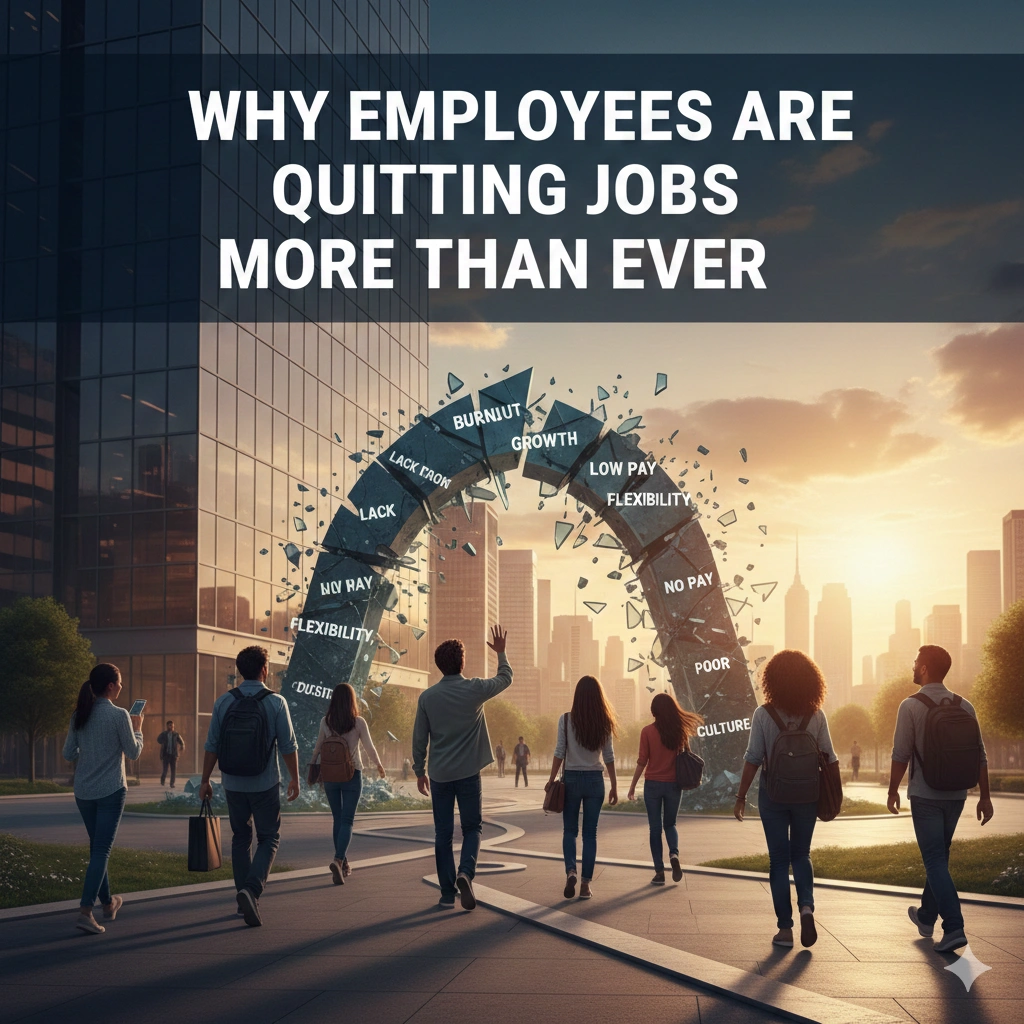
Across the globe, employees are leaving their jobs at a pace never seen before. What was once called the “Great Resignation” has evolved into a deeper, more complex workforce shift in 2025. Employees are no longer quitting only because of salary issues; they are quitting due to burnout, lack of growth, poor leadership, mental health struggles, toxic cultures, and changing life priorities.
The traditional promise of job security in exchange for loyalty has weakened. Employees today are more aware of their worth, more vocal about workplace injustice, and more willing to walk away from roles that no longer serve them. This article explores the real reasons why employees are quitting jobs more than ever, what has changed in modern workplaces, and how this trend is reshaping the future of work.
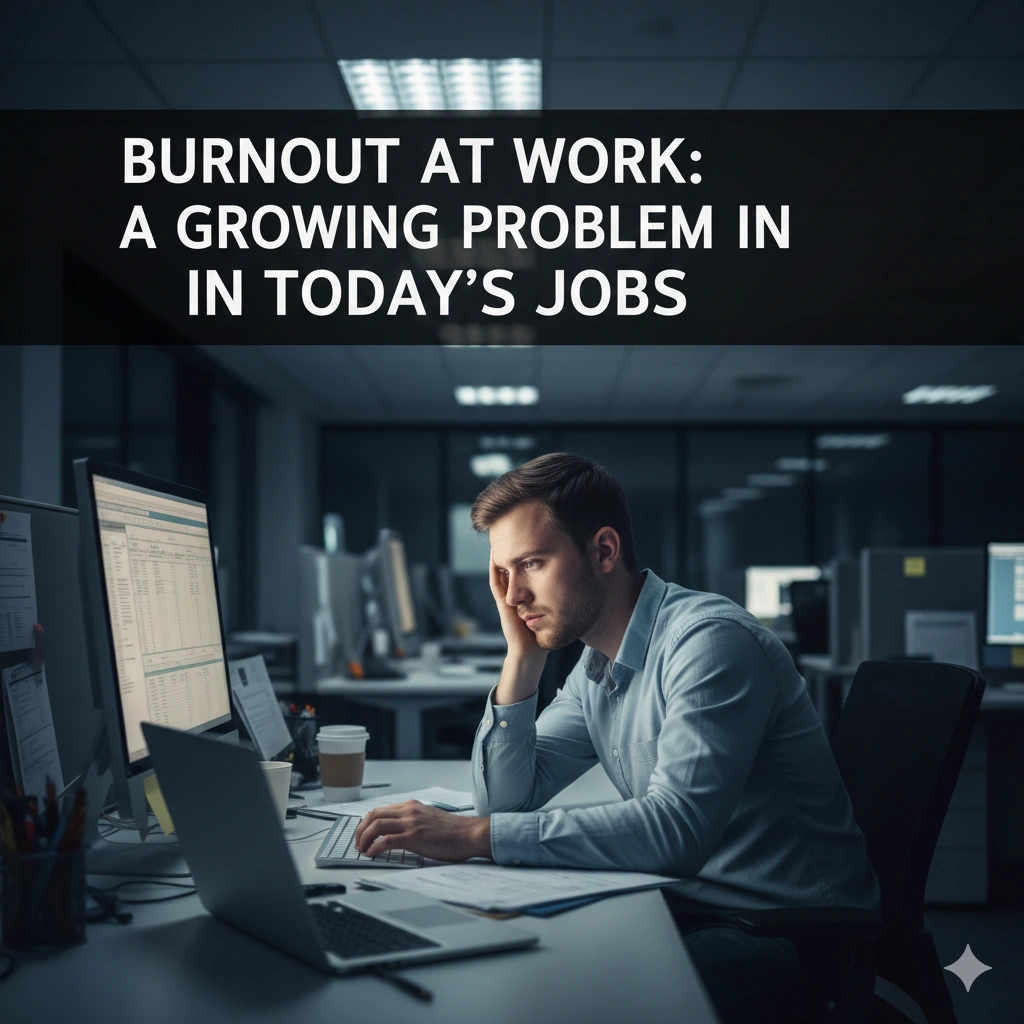
1. Burnout Has Become the New Normal
One of the biggest reasons employees are quitting is chronic burnout. Long working hours, unrealistic expectations, constant deadlines, and digital overload have drained employees physically and mentally.
Unlike earlier generations, today’s employees are expected to be available 24/7. Emails, Slack messages, WhatsApp updates, and video calls have erased the boundary between personal life and work life. Over time, this constant pressure leads to emotional exhaustion, lack of motivation, and declining performance.
Burnout is no longer limited to high-pressure industries like IT or finance. Teachers, healthcare workers, marketers, designers, customer support agents, and even entry-level employees are experiencing it. When rest is not respected and recovery is impossible, quitting becomes the only solution.
2. Mental Health Is No Longer Ignored
Employees are quitting jobs that damage their mental health. In the past, mental stress was normalized and often ignored. Today, people are more aware of anxiety, depression, emotional fatigue, and work-related trauma.
Toxic managers, hostile colleagues, constant micromanagement, and unrealistic targets can severely impact mental well-being. Many employees are choosing peace over pay. A slightly lower salary with a healthier environment is now more attractive than a high-paying job that causes daily stress.
The stigma around quitting for mental health reasons has reduced, encouraging more employees to leave workplaces that fail to provide psychological safety.
3. Lack of Career Growth and Learning Opportunities
Employees no longer want to stay in roles where they feel stuck. When promotions are delayed, skills are not upgraded, and learning opportunities are limited, motivation drops quickly.
Many organizations still operate with outdated career structures, offering the same roles and responsibilities for years. In contrast, the modern workforce wants continuous learning, skill development, and clear growth paths.
Employees are quitting because they see no future in their current jobs. They would rather move to companies that invest in training, mentorship, and career advancement than wait indefinitely for recognition.
4. Poor Leadership and Management Issues
People don’t quit jobs; they quit managers. This statement is more relevant than ever.
Poor leadership is one of the top reasons employees leave organizations. Managers who lack empathy, communication skills, and emotional intelligence create unhealthy work environments. Favoritism, lack of feedback, public criticism, and unrealistic expectations drive employees away.
In 2025, employees expect leaders who listen, support, and inspire. When leadership fails to adapt, employees feel undervalued and disengaged, making resignation inevitable.
5. Toxic Work Culture and Office Politics
Toxic work environments push employees out faster than low salaries. Gossip, internal politics, discrimination, harassment, and lack of trust make workplaces unbearable.
Employees are tired of navigating office politics just to survive. When effort and talent are overshadowed by favoritism and manipulation, employees lose faith in the organization.
Modern professionals value transparency, fairness, and respect. If these values are missing, quitting becomes a form of self-protection.
6. Work-Life Balance Is a Priority Now
Work-life balance is no longer a luxury; it is a necessity. Employees are quitting jobs that demand excessive overtime, weekend work, or constant availability.
The pandemic changed how people view time and life. Many realized the importance of family, health, and personal goals. Jobs that interfere with these priorities are losing talent.
Flexible schedules, remote work options, and reasonable workloads are now expected. Companies that refuse to adapt are seeing higher attrition rates.
7. Inadequate Compensation and Rising Living Costs
While salary is not the only reason, it remains a significant factor. Inflation and rising living costs have made many salaries insufficient.
Employees are quitting jobs where pay does not match workload, skills, or market standards. Many feel exploited when asked to take on additional responsibilities without fair compensation.
Transparency around pay, regular increments, and performance-based rewards are crucial. Without them, employees are quick to look for better-paying opportunities.
8. Lack of Respect and Recognition
Employees want to feel valued. When hard work goes unnoticed and achievements are ignored, motivation fades.
Simple recognition, appreciation, and respect can make a huge difference. Unfortunately, many organizations fail to acknowledge employee contributions.
When employees feel invisible or taken for granted, quitting becomes a way to reclaim self-worth.
9. Remote Work Expectations and Rigid Policies
Remote and hybrid work have changed employee expectations permanently. Many employees are quitting because companies are forcing a return to office without considering personal circumstances.
Long commutes, relocation requirements, and rigid attendance policies are pushing employees away. Flexibility is no longer optional; it is a deciding factor in job satisfaction.
Companies that embrace flexibility are retaining talent, while those resisting change are losing it.
10. Mismatch Between Job Promises and Reality
Many employees quit because the job they were promised is not the job they received.
Job descriptions often exaggerate growth opportunities, flexibility, or responsibilities. When reality doesn’t match expectations, trust breaks.
Employees are less tolerant of misleading recruitment practices. Once trust is lost, resignation follows.
11. Desire for Purpose and Meaningful Work
Employees today want more than a paycheck. They want purpose.
Jobs that feel meaningless, repetitive, or disconnected from personal values lead to dissatisfaction. Many employees are quitting to pursue work that aligns with their beliefs, passions, or social impact goals.
Purpose-driven work is becoming a major retention factor in 2025.
12. Better Opportunities Are Everywhere
The job market has become more accessible. Online platforms, freelance opportunities, remote roles, and global hiring have expanded options.
Employees are no longer stuck. When better opportunities exist, staying in an unhealthy job feels unnecessary.
This increased mobility empowers employees to leave without fear.
Conclusion
Employees are quitting jobs more than ever because the nature of work has changed. People are prioritizing mental health, personal growth, respect, flexibility, and purpose over blind loyalty.
This shift is not a sign of laziness or lack of commitment; it is a demand for healthier, fairer, and more human workplaces. Companies that fail to adapt will continue to lose talent, while those that listen, evolve, and care will thrive.
The future of work belongs to organizations that understand one simple truth: employees stay where they feel valued, respected, and supported.