Introduction
In today’s fast-changing job market, degrees alone are no longer enough to guarantee professional success. Employers across industries are increasingly prioritizing skills over titles, capabilities over certificates, and performance over years of experience. This shift has made skill-oriented jobs for career advancement one of the most reliable and sustainable pathways for long-term professional growth.
Skill-oriented jobs focus on what a person can do rather than where they studied or how long they have worked. These roles reward practical knowledge, continuous learning, and adaptability. Whether you are a fresher starting your journey, a working professional seeking promotion, or someone planning a career transition, building skill-based expertise can significantly accelerate your career advancement.
This article explores what skill-oriented jobs are, why they matter, key industries offering such roles, in-demand skills, career paths, and how to position yourself for steady growth in a skills-driven economy.
What Are Skill-Oriented Jobs?
Skill-oriented jobs are roles where hiring, performance evaluation, salary growth, and promotions depend primarily on a candidate’s practical abilities and applied knowledge rather than formal qualifications alone.
Key Characteristics of Skill-Oriented Jobs
- Focus on hands-on expertise
- Performance-based growth
- Continuous skill development
- Faster promotion opportunities
- Industry-relevant competencies
These jobs evolve with technology and business needs, making them ideal for long-term career advancement.
Why Skill-Oriented Jobs Drive Career Advancement
Career advancement is no longer linear. Skill-oriented jobs allow professionals to move forward based on value creation rather than waiting for years of experience.
Benefits of Skill-Based Career Growth
- Faster salary increments
- Higher job mobility
- Greater job security
- Cross-industry opportunities
- Global employability
Professionals with strong skills can adapt to changes and remain competitive throughout their careers.
Industries Leading Skill-Oriented Employment
Information Technology and Software Development
IT is one of the strongest skill-driven sectors, where technical expertise directly impacts career growth.
Key skills include:
- Programming languages
- Software development frameworks
- Cloud computing
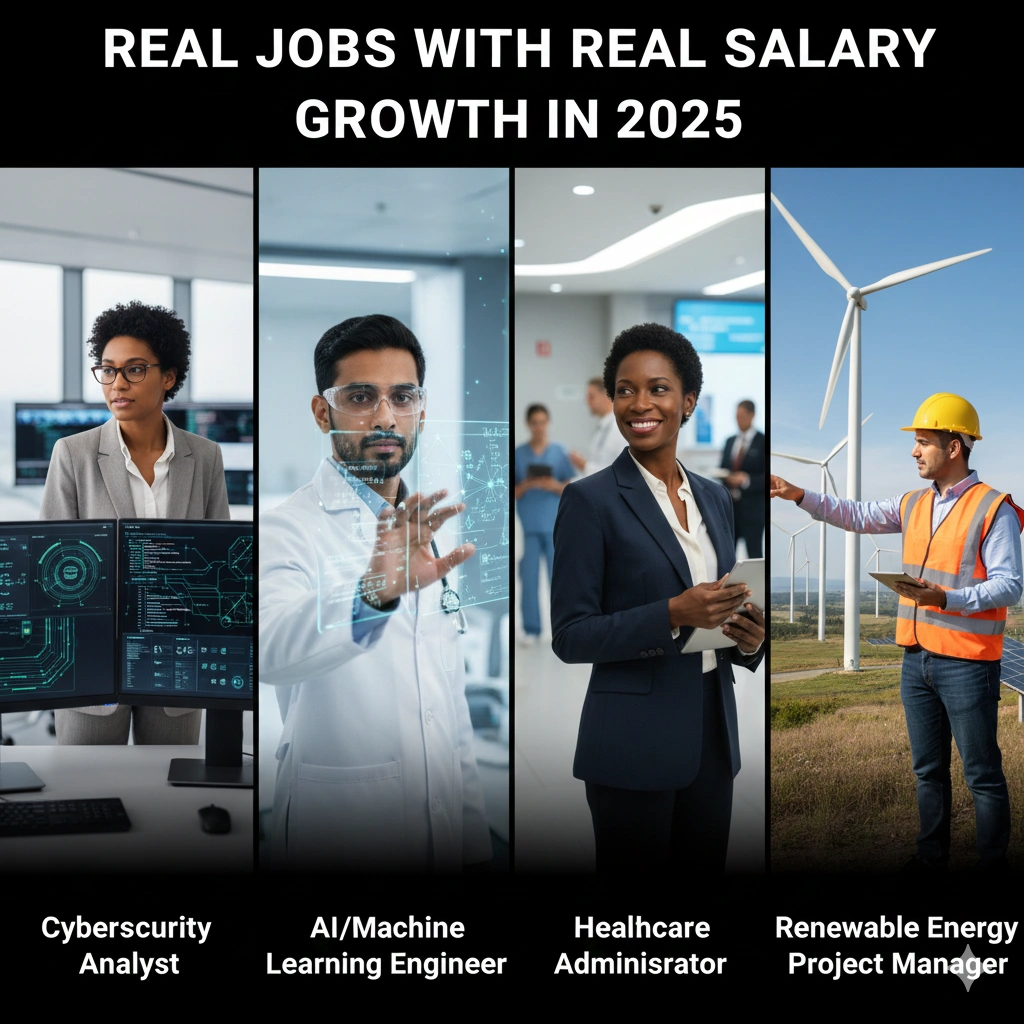
- Cybersecurity
- Data analytics
Digital Marketing and Media
Digital platforms require measurable skills and results.
Key skills include:
- Search engine optimization
- Content strategy
- Social media management
- Marketing analytics
- Performance advertising
Manufacturing and Technical Trades
Skill-based technical roles remain critical for industrial growth.
Key skills include:
- Machine operation
- Electrical and mechanical maintenance
- Quality control
- Production planning
- Safety management
Finance and Business Operations
Finance professionals advance based on analytical and strategic skills.
Key skills include:
- Financial modeling
- Risk assessment
- Accounting software
- Business analysis
- Compliance management
Healthcare and Allied Services
Healthcare rewards specialized and practical skills.
Key skills include:
- Clinical support
- Medical equipment handling
- Healthcare administration
- Patient care management
Top Skill-Oriented Jobs for Career Advancement
Software Developer
Developers grow by mastering programming languages, system design, and problem-solving skills.
Data Analyst
Data analysts progress by improving data interpretation, visualization, and decision-making skills.
Digital Marketing Specialist
Career growth depends on campaign performance, analytics, and strategy execution.
Network and Cybersecurity Specialist
Advancement comes with hands-on experience in system protection and threat management.
Mechanical or Electrical Technician
Technicians grow through advanced technical skills and supervisory responsibilities.
Skill-Oriented Jobs for Freshers
Freshers can advance faster by focusing on practical skills from the beginning.
Entry-Level Skill-Focused Roles
- Junior developer
- IT support executive
- Digital marketing executive
- Technical trainee
- Operations analyst
These roles provide structured learning and real-world exposure.
Skill-Oriented Jobs for Working Professionals
Experienced professionals benefit from upgrading skills rather than changing careers.
Growth-Focused Roles
- Project manager
- Product specialist
- Operations manager
- Business consultant
- Technical lead
Skill enhancement allows professionals to move into leadership positions.
Importance of Soft Skills in Career Advancement
Technical skills alone are not enough for long-term growth.
Essential Soft Skills
- Communication skills
- Leadership ability
- Time management
- Problem-solving
- Team collaboration
Soft skills complement technical expertise and unlock managerial roles.
Skill Development and Continuous Learning
Career advancement in skill-oriented jobs depends on lifelong learning.
Effective Learning Methods
- On-the-job training
- Online skill courses
- Industry certifications
- Practical projects
- Mentorship programs
Regular skill upgrades ensure relevance and promotion opportunities.
How Employers Reward Skill-Oriented Professionals
Organizations value skilled employees who contribute directly to growth.
Employer Benefits Include
- Performance-based promotions
- Higher salary packages
- Leadership responsibilities
- Job role expansion
- Global assignments
Skilled professionals often become indispensable to organizations.
Challenges in Skill-Oriented Careers
Skill Obsolescence
Solution: Regular upskilling and trend monitoring.
High Competition
Solution: Specialize in niche or advanced skills.
Learning Pressure
Solution: Structured learning plans and goal setting.
Career Transition Through Skill-Oriented Jobs
Skill-based careers allow smoother transitions between industries.
For example:
- Sales to digital marketing
- Technician to supervisor
- Analyst to product manager
Skills provide flexibility and career resilience.
Future of Skill-Oriented Jobs
The future workforce will prioritize skills, adaptability, and problem-solving. Automation will eliminate repetitive tasks but increase demand for skilled professionals who can manage, analyze, and innovate.
Skill-oriented jobs will continue to offer strong career advancement opportunities across industries.
How to Build a Skill-Oriented Career Path
Identify In-Demand Skills
Focus on skills with long-term demand.
Gain Practical Experience
Apply skills through real projects.
Track Performance
Measure outcomes and improvements.
Build a Professional Portfolio
Showcase work and achievements.
Conclusion
Skill-oriented jobs for career advancement provide a powerful pathway to professional growth, stability, and success. In a skills-driven economy, individuals who continuously learn, adapt, and apply their expertise can achieve faster promotions, higher income, and long-term career satisfaction. By investing in the right skills and maintaining a growth mindset, professionals can future-proof their careers and unlock limitless opportunities.