The rise of remote work has transformed the hiring landscape. Today, job seekers must not only demonstrate their skills and experience but also present themselves effectively in virtual interviews. Remote job interviews come with unique challenges, including technological issues, limited personal interaction, and the need to convey professionalism online.
This comprehensive guide provides proven strategies to help you prepare, present, and succeed in remote job interviews, increasing your chances of landing your desired role.
Understanding Remote Job Interviews
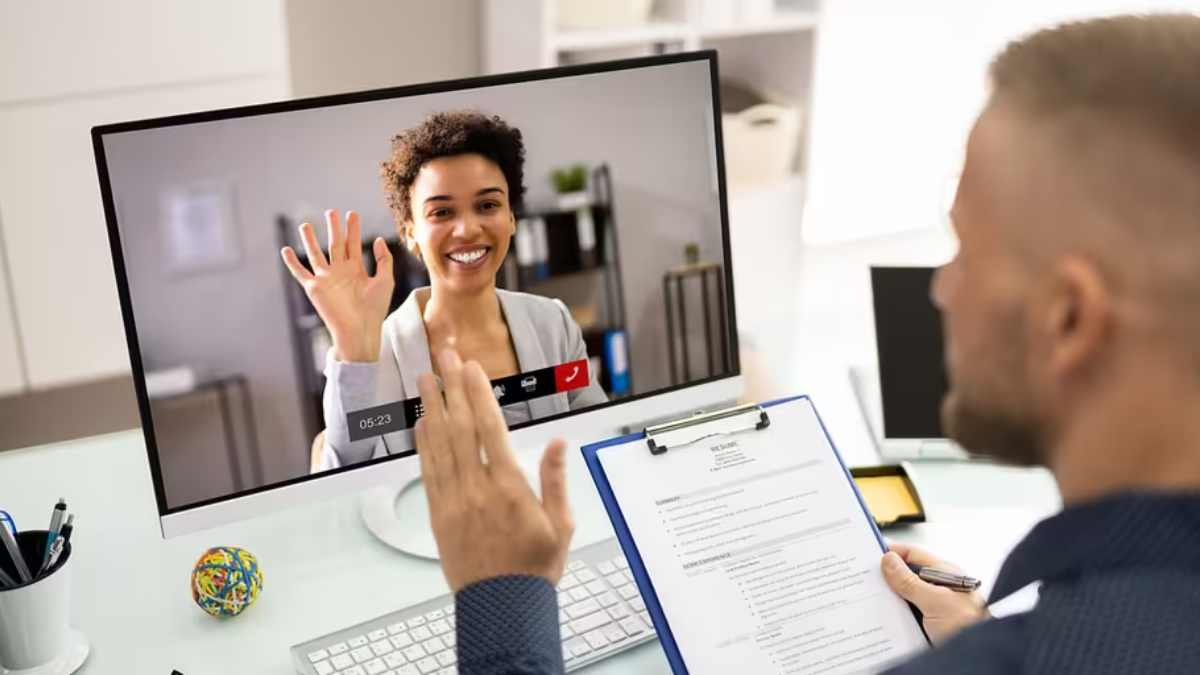
Remote interviews are conducted through video conferencing platforms such as Zoom, Microsoft Teams, Google Meet, or Skype. Employers use these interviews to assess both your professional qualifications and your ability to communicate effectively in a virtual environment.
Why Remote Interviews Matter
- Companies are increasingly hiring remote employees to access a global talent pool.
- Remote interviews save time and costs for both employers and candidates.
- They evaluate your ability to work independently and manage virtual communication.
- Proper preparation can set you apart from candidates who underestimate the virtual format.
Preparing for a Remote Interview
Preparation is key to presenting yourself confidently and professionally.
Research the Company and Role
- Study the company’s mission, values, products, and services.
- Understand the job description and required skills.
- Identify how your experience and skills align with the role.
Test Your Technology
- Ensure your camera, microphone, and internet connection are working perfectly.
- Install necessary software and check for updates.
- Familiarize yourself with platform features like screen sharing, chat, and mute/unmute options.
Set Up Your Interview Space
- Choose a quiet, well-lit room with a neutral background.
- Ensure your workspace is tidy and free of distractions.
- Position the camera at eye level and maintain good posture.
Prepare Your Materials
- Have a digital copy of your resume and cover letter ready.
- Prepare a list of references and work samples if requested.
- Keep a notebook and pen handy for notes during the interview.
Professional Appearance and Presentation
Even though the interview is virtual, your appearance and body language significantly impact the recruiter’s impression.
Dress Code Tips
- Dress professionally as you would for an in-person interview.
- Avoid distracting patterns or overly bright colors.
- Ensure grooming is neat and appropriate for a professional setting.
Body Language and Eye Contact
- Maintain eye contact by looking at the camera, not the screen.
- Sit upright and avoid fidgeting.
- Use hand gestures naturally to emphasize points, but don’t overdo it.
- Smile and nod to show engagement and attentiveness.
Mastering Verbal Communication
Clear and confident communication is essential during remote interviews.
Speaking Tips
- Speak slowly and clearly, considering potential audio delays.
- Use concise, structured answers to common interview questions.
- Avoid filler words such as “um,” “like,” or “you know.”
- Practice active listening by acknowledging the interviewer’s points.
Answering Common Interview Questions
- Prepare for questions about your experience, strengths, weaknesses, and career goals.
- Use the STAR method (Situation, Task, Action, Result) to structure answers.
- Highlight relevant achievements and measurable results.
Showcasing Soft Skills and Remote Work Competency
Employers hiring remote employees value candidates who can work independently, communicate effectively, and manage time efficiently.
Key Skills to Highlight
- Self-Motivation: Show how you take initiative without supervision.
- Time Management: Provide examples of meeting deadlines and prioritizing tasks.
- Adaptability: Demonstrate your ability to handle changing tasks and environments.
- Collaboration: Highlight experience with remote teamwork tools like Slack, Trello, or Asana.
- Problem-Solving: Share examples of overcoming challenges in virtual settings.
Handling Technical Difficulties
Technical issues can occur during remote interviews. How you handle them can reflect your professionalism.
Tips for Managing Issues
- Test your equipment before the interview to minimize problems.
- Have a backup device ready in case of hardware failure.
- Stay calm and polite if technical problems arise.
- Inform the interviewer immediately if you experience connection issues.
- Follow up after the interview to thank them and address any missed points.
Engaging with the Interviewer
Building rapport in a virtual environment is crucial for a positive impression.
Tips for Engagement
- Use the interviewer’s name during conversation.
- Smile and maintain a friendly, professional tone.
- Ask thoughtful questions about the company, role, and team culture.
- Show enthusiasm and genuine interest in the position.
Follow-Up After the Interview
A professional follow-up can reinforce your interest and leave a lasting impression.
Follow-Up Best Practices
- Send a thank-you email within 24 hours.
- Express gratitude for the interviewer’s time.
- Reiterate your interest in the role and highlight key points from the interview.
- Keep the message concise, professional, and free of errors.
Avoiding Common Remote Interview Mistakes
Even minor errors can negatively impact a virtual interview.
Mistakes to Avoid
- Neglecting to prepare or research the company.
- Speaking too fast or not articulating answers clearly.
- Being distracted by notifications, background noise, or other people.
- Failing to test technology or having a poor internet connection.
- Overlooking professional appearance and body language.
Avoiding these pitfalls demonstrates professionalism and readiness for remote work.
Using Technology to Your Advantage
Technology can enhance your remote interview experience if used effectively.
Helpful Tools and Tips
- Virtual Backgrounds: Use neutral backgrounds if your environment is distracting.
- Screen Sharing: Prepare slides, portfolios, or work samples to showcase your achievements.
- Scheduling Tools: Use tools like Calendly to manage interviews efficiently.
- Practice Platforms: Platforms like Big Interview or Interviewing.io can help simulate virtual interviews.
Preparing Questions for the Interviewer
Asking insightful questions demonstrates curiosity, engagement, and critical thinking.
Sample Questions to Ask
- Can you describe the company culture and team dynamics?
- What does a typical day look like for this role?
- What opportunities for professional development are available?
- How does the company support remote employees in staying connected?
- What are the next steps in the hiring process?
Thoughtful questions show that you are serious about the position and eager to contribute.
Building Confidence for Remote Interviews
Confidence is key to making a positive impression.
Ways to Boost Confidence
- Practice mock interviews with friends, mentors, or online platforms.
- Review your resume, achievements, and key talking points beforehand.
- Visualize a successful interview outcome.
- Prepare responses to potential challenging questions.
Confidence combined with preparation significantly increases your chances of success.
Conclusion
Remote job interviews are becoming the norm in today’s digital work environment. Success in these interviews requires preparation, professionalism, and adaptability. By optimizing your technology, presenting yourself effectively, communicating clearly, and demonstrating remote work skills, you can make a lasting impression on recruiters.
Following these strategies — from crafting compelling answers and showcasing your achievements to engaging thoughtfully with interviewers and following up professionally — positions you as a top candidate for remote roles. With practice and preparation, you can excel in virtual interviews and secure your dream remote job.