Introduction: The Truth Behind Modern Employment
In 2025, work looks more advanced than ever before. Offices are smarter, remote work is common, job titles sound impressive, and technology promises efficiency. Yet for millions of employees, work feels more stressful, uncertain, and emotionally exhausting than it did in previous generations.
The real problems employees face at work in 2025 are often hidden beneath productivity tools, corporate slogans, and “flexible” policies. These problems are rarely discussed openly because employees fear judgment, job loss, or being labeled as ungrateful. However, these issues deeply affect mental health, performance, job satisfaction, and long-term career growth.
This article uncovers the most common and real workplace problems employees face in 2025, why they exist, and how they are shaping the future of work.
1. Job Insecurity Has Become a Daily Fear
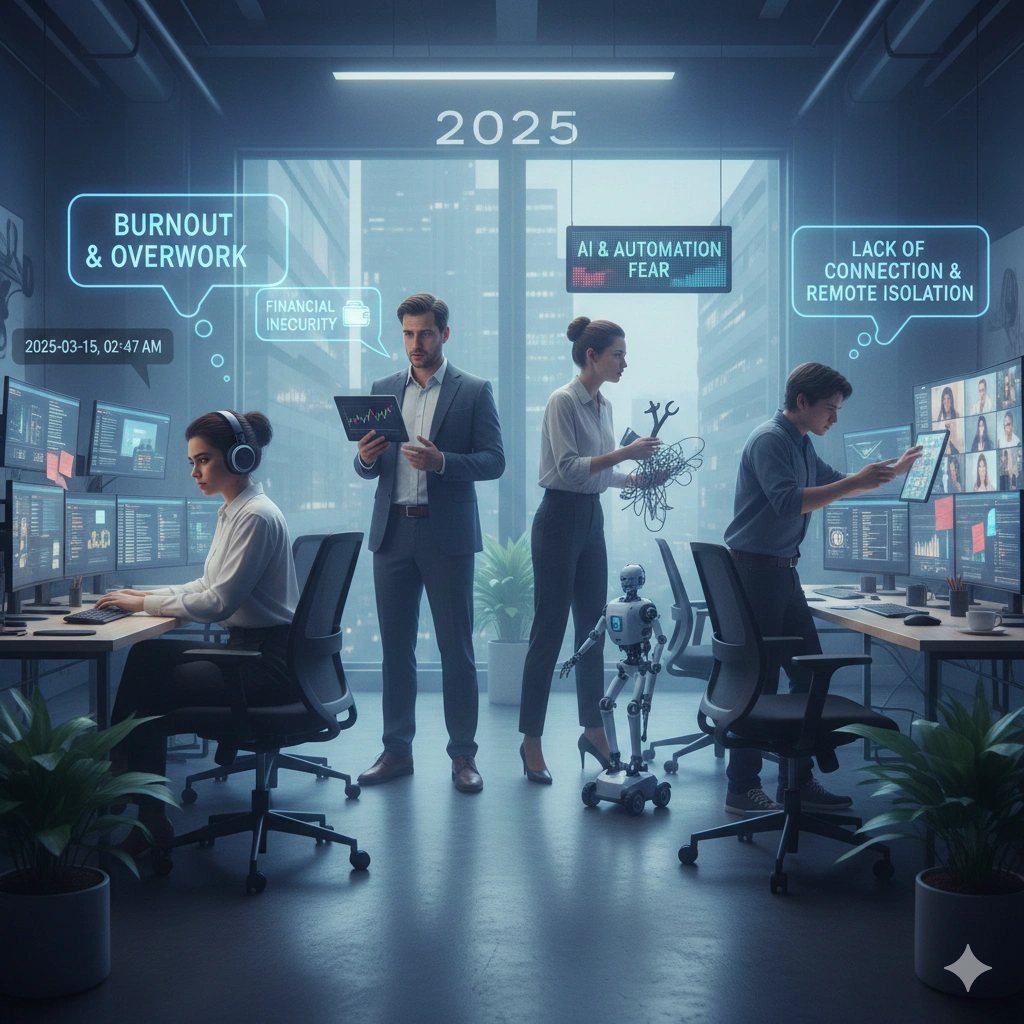
One of the biggest realities of working in 2025 is constant job insecurity.
Why Employees Feel Unsafe:
- Layoffs are frequent and normalized
- Automation and AI are replacing roles
- Short-term contracts replace permanent jobs
- Companies prioritize cost-cutting over loyalty
Even top performers feel replaceable. This fear forces employees to overwork, avoid taking leave, and suppress honest feedback just to appear indispensable.
2. Burnout Without Overtime
Burnout today doesn’t always come from long hours—it comes from mental overload.
Modern Burnout Triggers:
- Continuous meetings
- Constant multitasking
- Emotional pressure to stay positive
- Never mentally disconnecting from work
Employees feel exhausted even after a full night’s sleep because their minds never rest.
3. Always-On Work Culture
Technology has removed clear work boundaries.
Common Issues:
- Messages after work hours
- Expectation of instant replies
- Meetings across time zones
- Work notifications during weekends and vacations
Employees feel guilty for disconnecting, even when policies say they can.
4. Increasing Workload With Fewer Resources
Many companies operate with lean teams.
The Reality:
- Roles expand without salary increases
- Hiring freezes increase pressure on existing staff
- One employee handles multiple responsibilities
This leads to stress, frustration, and declining performance.
5. Poor Management Skills
Not all managers are prepared for modern workplaces.
Common Management Problems:
- Micromanagement
- Poor communication
- Lack of empathy
- No clear feedback or direction
A bad manager remains one of the biggest reasons employees quit their jobs.
6. Career Stagnation Despite Hard Work
Many employees feel stuck.
Why Career Growth Feels Impossible:
- Flat organizational structures
- Limited promotion opportunities
- Favoritism over merit
- Unclear career paths
Employees work hard but feel invisible.
7. Pressure to Constantly Upskill
Skills become outdated faster than ever.
Employee Challenges:
- Learning new tools in personal time
- Paying for certifications themselves
- Fear of becoming irrelevant
Upskilling feels mandatory rather than empowering.
8. Mental Health Awareness Without Real Support
Mental health conversations are common—but action is limited.
The Gap:
- Wellness programs without workload reduction
- Mental health days without protection
- Fear of stigma or career damage
Employees struggle silently.
9. Financial Stress Despite Having a Job
Employment no longer guarantees financial comfort.
Why:
- Rising living costs
- Slow salary growth
- Reduced benefits
- Hidden work expenses
Financial anxiety follows employees into the workplace.
10. Workplace Loneliness
Remote and hybrid work reduced human connection.
Effects:
- Fewer friendships at work
- Limited mentorship
- Feeling isolated
Loneliness impacts mental health and engagement.
11. Toxic Work Cultures
Some workplaces reward unhealthy behavior.
Warning Signs:
- Overwork praised as dedication
- Burnout ignored
- Unrealistic deadlines
- Fear-based leadership
Employees feel pressured to sacrifice health for performance.
12. Unclear Expectations
Many employees don’t know what success looks like.
Common Issues:
- Vague job roles
- Constantly changing priorities
- Conflicting instructions
Uncertainty increases anxiety and stress.
13. Lack of Recognition
Employees often feel unappreciated.
Why It Matters:
- Recognition boosts motivation
- Silence leads to disengagement
- Employees feel replaceable
Feeling unnoticed is emotionally draining.
14. Workplace Politics and Favoritism
Office politics remain a major stress factor.
Impact:
- Promotions based on relationships
- Fear of speaking honestly
- Loss of trust in leadership
Employees feel fairness is missing.
15. Feedback That Never Comes
Employees work without guidance.
Why:
- Managers are overloaded
- Automated reviews replace conversations
- Lack of one-on-one meetings
Without feedback, employees feel anxious and lost.
16. Fear of Speaking Up
Psychological safety is still rare.
Reasons:
- Fear of retaliation
- Job insecurity
- Past negative experiences
Employees keep concerns to themselves until they resign.
17. Age-Related Workplace Pressure
All age groups face stress.
Younger Employees:
- Pressure to succeed quickly
- Fear of falling behind peers
Older Employees:
- Fear of being replaced
- Subtle age discrimination
Everyone feels vulnerable.
18. Information Overload
Employees process massive amounts of data daily.
Sources:
- Emails
- Messages
- Meetings
- Reports
This leads to decision fatigue and mental exhaustion.
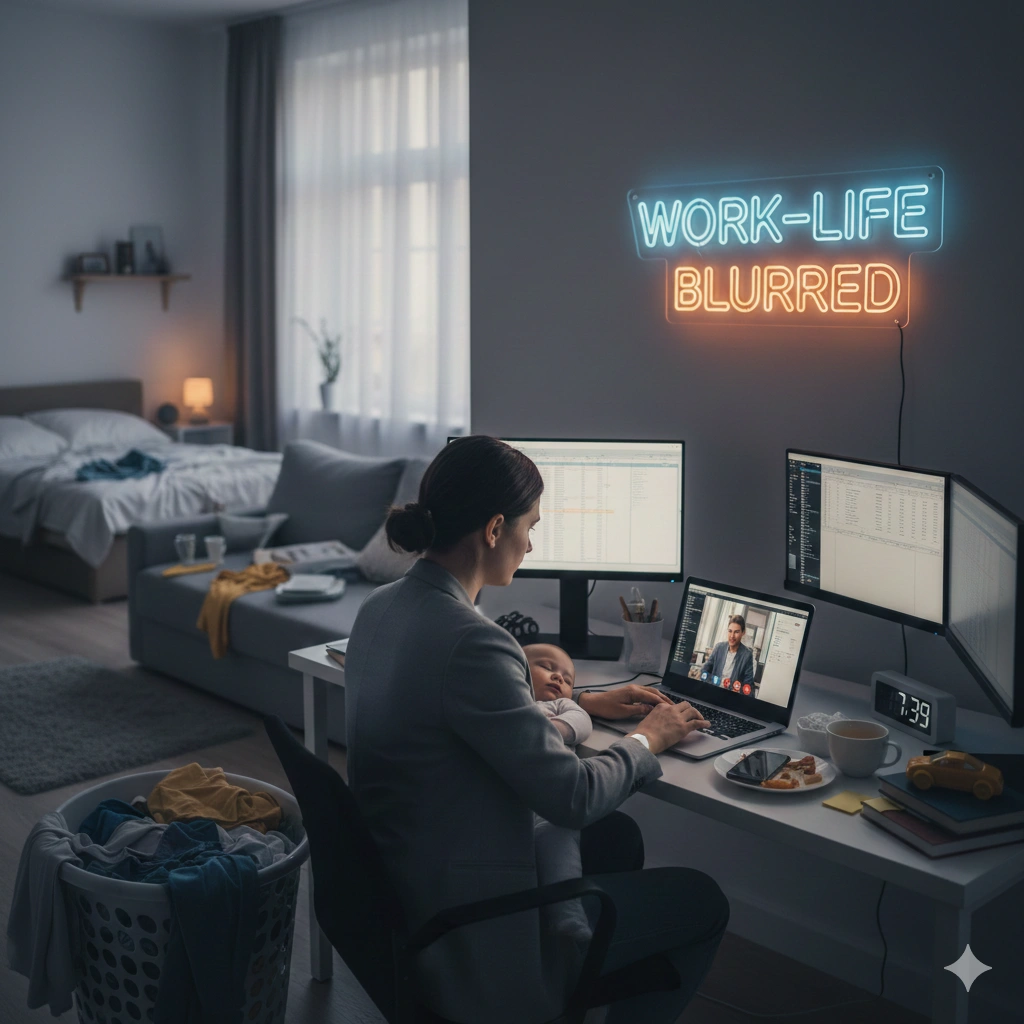
19. Work-Life Balance Struggles
Balance feels impossible.
Reality:
- Work spills into personal time
- Guilt during rest
- Difficulty disconnecting mentally
Employees feel tired even during time off.
20. Loss of Meaning and Purpose
Many employees question why they work so hard.
Common Feelings:
- Lack of fulfillment
- Disconnection from values
- Feeling replaceable
This emotional struggle leads to disengagement and burnout.
Conclusion: The Real Cost of Modern Work
The real problems employees face at work in 2025 are not about laziness or lack of ambition. They are systemic issues created by fast-changing workplaces, economic pressure, and unrealistic expectations.
To build sustainable workplaces, companies must focus on:
- Human-centered leadership
- Clear communication
- Mental health support with action
- Fair compensation
- Respect for boundaries
Until then, employees will continue to struggle silently—working harder, but feeling worse.