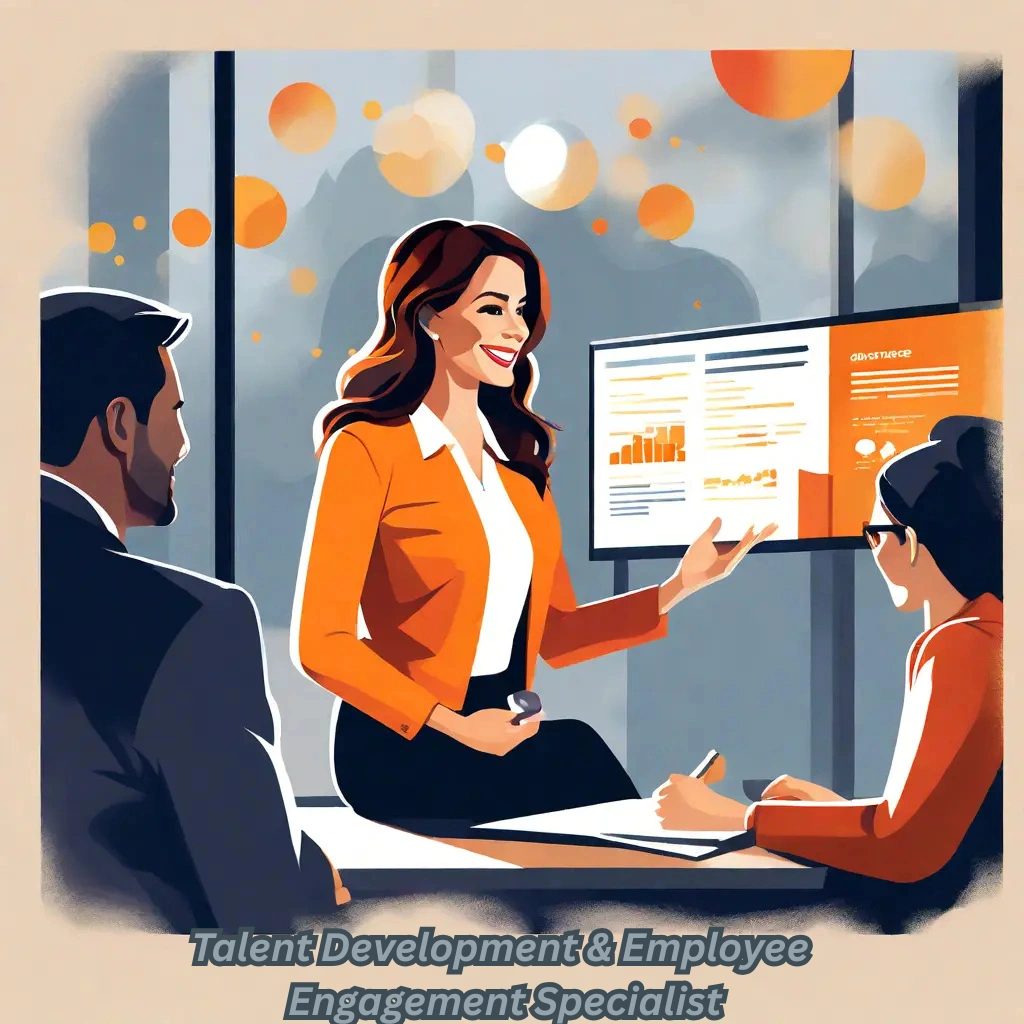
Creating a thriving workplace requires more than policies, salaries, and perks—it demands a strategic, people-centric approach that aligns individual growth with organizational goals. This is the foundation of the modern People & Culture Partner, a role that blends human resources expertise with business strategy, emotional intelligence, and talent development leadership. When enhanced with the capabilities of a Talent Development & Employee Engagement Specialist, the impact of this role becomes transformational.
Today’s workforce expects more than a job—they seek meaning, purpose, growth opportunities, psychological safety, and a culture that values them as whole individuals. Organizations, on the other hand, strive for productivity, innovation, and long-term retention. The People & Culture Partner bridges this gap by designing experiences, systems, and practices that cultivate peak performance while nurturing employee wellbeing.
This article explores the responsibilities, strategic importance, and evolving significance of the People & Culture Partner | Talent Development & Employee Engagement Specialist. It also highlights best practices, future-ready strategies, and how this role fuels business success in a rapidly changing workplace landscape.
1. Understanding the People & Culture Partner Role
The People & Culture Partner (often known as P&C Partner or HR Business Partner) is responsible for shaping, strengthening, and maintaining an organization’s cultural blueprint. Unlike traditional HR roles focused on administrative tasks, this role is strategic, consultative, and employee-experience oriented.
Key focuses include:
- Building strong, trust-based relationships with employees and leadership
- Ensuring every HR decision aligns with company values and long-term business goals
- Leading talent development, engagement, and organizational culture initiatives
- Serving as an advocate for employee experience and organizational growth
This role emphasizes culture stewardship—ensuring that values are not mere words but lived experiences through policies, leadership behavior, and everyday interactions.
2. Why Employee Experience Matters More Than Ever
In a competitive talent market, companies differentiate themselves based on culture, not compensation alone. Employee experience (EX) fuels:
- Higher engagement
- Increased productivity
- Stronger employee loyalty
- Reduced turnover
- Enhanced employer branding
Gallup’s global workplace studies consistently show that employee engagement directly correlates with profitability, customer satisfaction, and internal innovation. The People & Culture Partner plays a pivotal role in strengthening this engagement by designing seamless employee journeys from onboarding to career development.
3. The Strategic Importance of Talent Development
Talent development ensures employees acquire the skills, knowledge, and confidence needed to grow professionally and contribute meaningfully to the organization. As a Talent Development Specialist, the People & Culture Partner must:
- Identify skill gaps based on business needs
- Develop learning pathways (L&D programs, coaching, mentoring, upskilling)
- Align learning outcomes with organizational objectives
- Create career progression frameworks and succession planning
- Promote a culture of continuous learning
In a world driven by technological acceleration, talent development is not optional—it is essential for future-proofing the workforce.
4. Building High Engagement Through Culture-Centric Initiatives
Employee engagement thrives in workplaces where individuals feel valued, heard, supported, and inspired. Below are key strategies used by People & Culture Partners:
4.1 Embedding Company Values
Culture is created through actions, not slogans. Ensuring value-aligned behavior across leadership and teams strengthens trust and unity.
4.2 Creating Open Communication Channels
From employee listening surveys to open-door leadership, communication transparency boosts morale and psychological safety.
4.3 Wellness & Mental Health Programs
Holistic wellness support—physical, mental, social, and financial—enhances engagement and reduces burnout.
4.4 Recognition and Appreciation Systems
Timely, consistent recognition increases motivation and strengthens positive workplace behavior.
4.5 Diversity, Equity & Inclusion (DEI) Initiatives
A diverse and inclusive culture fosters innovation, belonging, and broader perspectives.
5. The Role as a Strategic Business Partner
A People & Culture Partner does not operate in isolation. They collaborate closely with leadership to enhance organizational performance. They provide insights related to workforce planning, attrition, performance trends, and culture health.
Key responsibilities include:
- Advising leadership on talent strategies
- Helping managers navigate people challenges
- Forecasting staffing needs
- Enhancing team dynamics and collaboration
- Aligning HR strategies with business growth
This synergy makes people operations a crucial driver of competitive advantage.
6. Key Skills Required for a Successful People & Culture Partner
This role requires a blend of interpersonal, strategic, and analytical abilities:
6.1 Emotional Intelligence
Understanding employee emotions and being empathetic builds connection and trust.
6.2 Conflict Resolution
Mediating workplace issues with fairness and neutrality promotes harmony.
6.3 Data-Driven Decision-Making
HR analytics on turnover, hiring, performance, and engagement help guide informed strategies.
6.4 Leadership & Coaching
Mentoring leaders and guiding employees enhances individual and team performance.
6.5 Cultural Competency
Navigating multicultural and multigenerational environments effectively.
6.6 Communication & Influence
Clear, persuasive communication builds alignment across the organization.
7. Designing High-Performance Workplace Culture
High performance is not achieved through pressure—it grows from structured support and motivation.
A People & Culture Partner designs:
- Performance management systems
- Leadership development frameworks
- Continuous feedback mechanisms
- Goal-setting processes aligned with organizational OKRs
- Skill-building and upskilling programs
When employees feel supported and guided toward success, they naturally perform at higher levels.
8. Enhancing Employee Engagement Through Learning & Growth
Growth opportunities are a major driver of employee retention. When employees see a future within the company, they remain motivated and committed.
Effective strategies include:
- Personalized learning plans
- Internal mobility programs
- Leadership training
- Workshops, seminars, and cross-training
- Mentorship initiatives
These initiatives create long-term employee loyalty and reduce hiring costs.
9. The Changing Landscape of People & Culture in the Digital Era
With hybrid work models, AI integration, and rapid skill evolution, the People & Culture Partner role has expanded.
Modern responsibilities include:
- Virtual onboarding and engagement
- Digital performance tools
- AI-based talent analytics
- Remote team-building frameworks
- Technology-driven learning adoption
Digital transformation demands that People & Culture leaders innovate continuously.
10. Future Trends Shaping People & Culture Work
The future workplace will be:
10.1 Flexible & Hybrid
Employees increasingly prefer flexible hours, remote work options, and autonomy.
10.2 Skills-Based
Hiring and promotions will emphasize skills over job titles.
10.3 Employee Well-being Focused
Mental health and holistic wellness will remain top priorities.
10.4 Inclusive & Purpose-Driven
Workplaces will prioritize belonging, sustainability, and social impact.
10.5 AI-Augmented
AI tools will streamline HR tasks but increase the need for human empathy and strategic decision-making.
11. The Impact of a Strong People & Culture Ecosystem
A strong People & Culture strategy leads to:
- Higher employee morale
- Lower turnover
- Improved employer branding
- Stronger leadership pipeline
- Increased innovation
- Better business performance
In essence, when people thrive, organizations thrive.
12. Final Thoughts
A People & Culture Partner | Talent Development & Employee Engagement Specialist plays a transformative role in shaping the future of work. They empower employees, strengthen leadership, and ensure the organization continues to evolve, innovate, and succeed.
By crafting meaningful employee experiences, implementing strategic talent programs, and nurturing a culture of trust and belonging, these professionals create workplaces that excel in both productivity and humanity.
As industries evolve and new challenges emerge, the importance of People & Culture professionals will only grow. They are the architects of organizational culture and the champions of employee potential—two foundational elements for sustainable success.