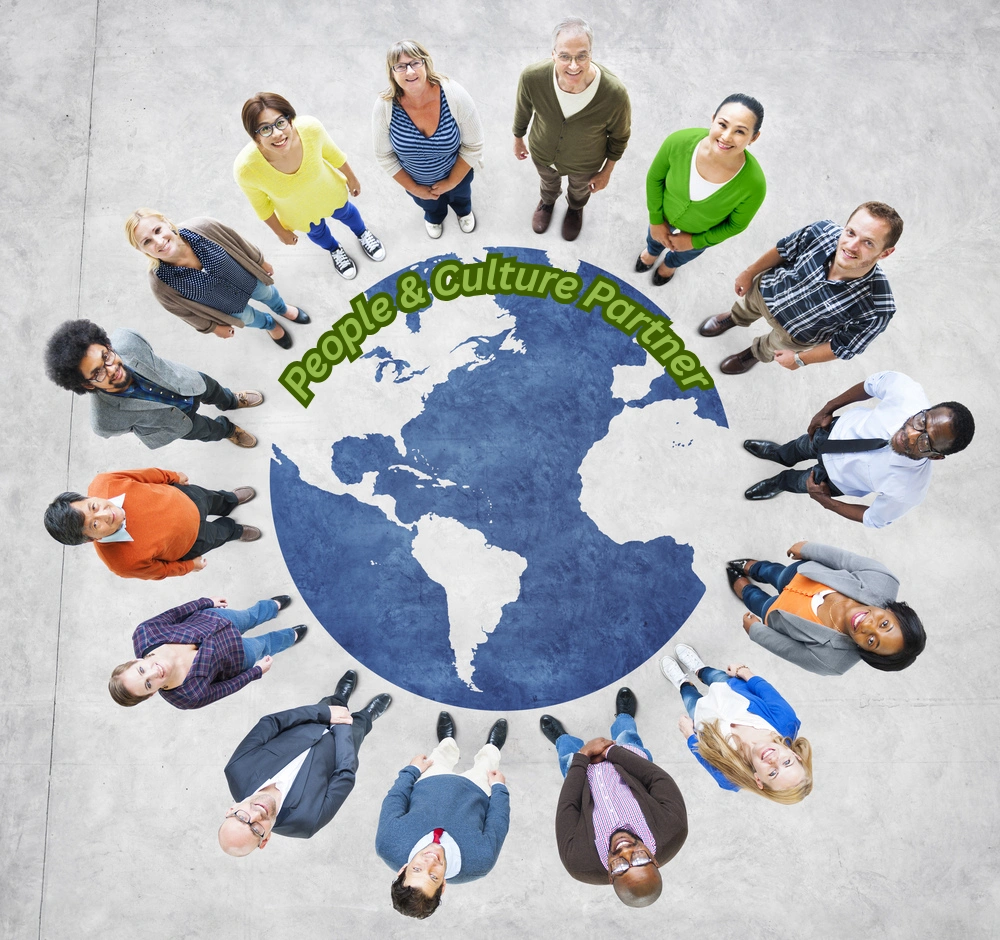
In today’s rapidly evolving business environment, organizations recognize one fundamental truth: people are the heart of growth, innovation, and long-term success. While technology, automation, and data continue to advance, human connection, culture, and employee experience remain the core pillars of sustainable organizational development. At the center of this human-centric approach stands the People & Culture Partner—a strategic role dedicated to empowering people, cultivating a thriving culture, and driving organizational excellence.
Unlike traditional HR roles focused on compliance and administration, the People & Culture Partner operates as a culture architect, strategic advisor, employee advocate, and change leader. This position blends business acumen with empathy, ensuring people strategies align with organizational purpose and future goals.
This comprehensive article explores the modern People & Culture Partner role, its impact on people engagement, cultural transformation, and organizational growth. It also discusses essential skills, emerging trends, challenges, and future possibilities that define this influential profession.
1. Understanding the Role of a People & Culture Partner
The People & Culture Partner acts as the bridge between leadership vision and employee experience. Their primary focus is not just managing people but empowering them, ensuring they feel supported, valued, and aligned with the company’s mission.
Core responsibilities include:
- Designing and nurturing organizational culture
- Facilitating strong employee engagement
- Developing people-centered strategies
- Building leadership capabilities
- Supporting performance, learning, and development initiatives
- Enhancing communication and change management
- Aligning HR practices with business strategy
This role requires emotional intelligence, strategic thinking, and the ability to build trust across all levels of the organization.
2. Why Empowering People Is the Key to Organizational Growth
Organizations grow when their people grow. The People & Culture Partner focuses on empowering employees to reach their full potential through:
- Continuous learning and skill development
- Clear career pathways
- Purpose-driven work
- Autonomy and accountability
- A psychologically safe environment
- Supportive leadership and coaching
Employee empowerment builds confidence, encourages creativity, and strengthens loyalty. When employees feel heard and respected, they contribute innovative ideas and take ownership of their work—directly fueling business performance.
3. The Strategic Importance of Culture in Modern Workplaces
Organizational culture is the invisible force that shapes behaviors, decisions, and interactions. A strong culture improves:
- Team collaboration
- Employee motivation
- Customer experience
- Talent retention
- Organizational reputation
A People & Culture Partner ensures culture is not just defined but lived daily—from leadership actions to employee rituals. They focus on aligning values with behaviors, creating a sense of belonging, and ensuring the workplace supports diversity, inclusion, and wellbeing.
4. Building a Culture That Drives High Performance
A high-performing culture doesn’t happen by chance. It requires intentional design.
Key elements include:
4.1 Transparent Communication
Open dialogue reduces misunderstanding, builds trust, and strengthens team relationships.
4.2 Recognition & Appreciation
Celebrating achievements reinforces positive behaviors and boosts morale.
4.3 Clear Goals & Expectations
Employees perform best when they understand their purpose and contribution.
4.4 Learning & Development
Continuous learning ensures the workforce remains agile, skilled, and relevant.
4.5 Empowerment & Autonomy
Freedom to make decisions promotes confidence and innovation.
4.6 Accountability & Fairness
Fair systems encourage fairness, trust, and consistent performance standards.
5. Creating an Employee Experience That Inspires Commitment
Employee experience (EX) spans every interaction an employee has with the organization—from onboarding to career development to exit. A People & Culture Partner strategically designs this journey to maximize satisfaction and reduce friction.
Key areas of EX enhancement include:
- Seamless recruitment and onboarding
- Engaging performance conversations
- Career development conversations
- Employee surveys and listening mechanisms
- Inclusive policies and wellbeing programs
- Streamlined internal communication
- Recognition and reward systems
A positive employee experience leads to higher engagement, retention, and productivity.
6. Talent Development as a Foundation for Growth
People & Culture Partners play a major role in creating opportunities for employees to grow through:
- Skill development workshops
- Leadership development programs
- Coaching and mentoring
- Job rotation and cross-training
- Succession planning
- Career progression frameworks
These initiatives help employees feel valued and encourage them to stay with the organization longer.
7. Supporting Leadership in Building People-Centric Teams
Leaders set the tone for culture. People & Culture Partners collaborate closely with managers to help them:
- Build emotionally intelligent leadership capabilities
- Improve communication and conflict resolution
- Enhance team motivation and coaching
- Lead with empathy, fairness, and transparency
- Understand diverse team dynamics
- Make data-informed people decisions
When leaders grow, teams grow—and the organization grows exponentially.
8. Driving Engagement Through Connection and Belonging
Belonging is a key driver of employee engagement. People & Culture Partners influence belonging by building:
- Inclusive workplaces
- Cultural celebrations
- Employee communities and resource groups
- Social and team-building events
- Supportive policies for all employee groups
Employees stay engaged when they feel safe, respected, and connected.
9. The People & Culture Partner as a Change Leader
Organizations constantly evolve—new technologies, strategies, and market conditions demand adaptation. A People & Culture Partner ensures smooth transitions by:
- Managing change communication
- Encouraging employee involvement
- Reducing resistance through transparency
- Coaching leaders through transformation
- Supporting teams through uncertainty
Effective change leaders ensure transitions strengthen culture instead of disrupting it.
10. Leveraging Data & People Analytics
Modern People & Culture Partners use data to drive decisions. They analyze:
- Turnover trends
- Hiring metrics
- Engagement survey results
- Performance data
- Learning progress
- Absenteeism and wellbeing indicators
People analytics helps identify trends early and empowers organizations to take proactive action.
11. Embracing Diversity, Equity & Inclusion (DEI)
A People & Culture Partner plays a critical role in shaping equitable and inclusive workplaces. They champion:
- Diverse hiring practices
- Bias-free evaluation systems
- Equal growth opportunities
- Inclusive policy design
- Cultural awareness training
An inclusive environment fosters creativity, belonging, and organizational strength.
12. Navigating Challenges in People & Culture Work
While fulfilling, this role comes with challenges:
- Managing conflicting expectations
- Addressing sensitive employee issues
- Handling change resistance
- Ensuring consistent communication
- Balancing business needs with people needs
- Resolving workplace conflicts
A successful People & Culture Partner balances empathy with firmness to create fair outcomes.
13. The Future of People & Culture Work
The workplace is changing faster than ever. Future People & Culture leaders must be agile and forward-thinking.
Key future trends include:
- AI-powered HR solutions
- Hybrid and flexible work becoming standard
- Skills-based hiring vs. degree-based hiring
- Enhanced focus on wellbeing and mental health
- Leadership transformation and emotional intelligence
- Culture diagnostics and people analytics becoming essential
- More inclusive, global, and human-centered workplaces
The future belongs to organizations that prioritize their people.
14. Final Thoughts: People-Centric Work Is the Future
A People & Culture Partner – Empowering People, Culture & Organizational Growth is much more than an HR professional. They are:
- A culture builder
- A leadership coach
- A strategic advisor
- A talent developer
- An employee advocate
- A change facilitator
- A driver of organizational excellence
Their work profoundly impacts how employees feel, grow, and contribute—and ultimately determines whether the organization thrives.
When people feel empowered, culture strengthens.
When culture strengthens, performance rises.
When performance rises, organizational growth becomes inevitable.
The People & Culture Partner is the guiding force behind this transformation.