Introduction
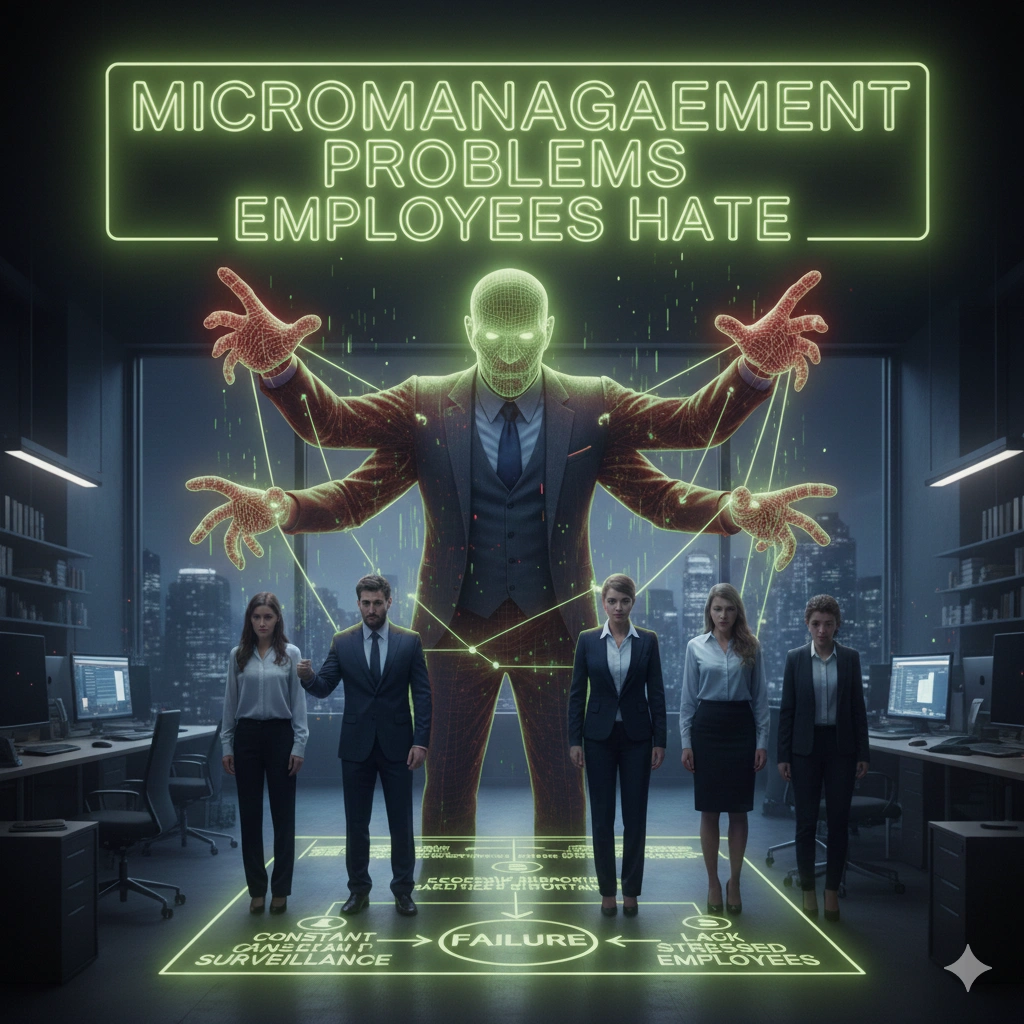
In modern workplaces, effective leadership is built on trust, communication, and empowerment. However, one management style continues to frustrate employees across industries: micromanagement. Micromanagement occurs when managers excessively control, monitor, or interfere with employees’ work instead of providing guidance and autonomy. While some managers believe micromanagement ensures quality and accountability, in reality, it often creates the opposite effect.
Employees consistently rank micromanagement as one of the most disliked management behaviors. It undermines confidence, damages morale, and creates a stressful work environment. Instead of fostering growth and innovation, micromanagement leads to disengagement, resentment, and high turnover.
This article explores micromanagement problems employees hate, examining why managers micromanage, how it affects employees and organizations, real-world workplace consequences, and effective strategies to overcome this damaging leadership style.
What Is Micromanagement?
Micromanagement is a leadership approach in which managers closely observe, control, and direct every aspect of an employee’s work. Rather than focusing on outcomes, micromanagers fixate on processes, small details, and constant supervision.
Common micromanagement behaviors include:
- Excessive check-ins and status updates
- Constant corrections on minor details
- Lack of trust in employee decisions
- Approval required for every task
- Monitoring time instead of results
While oversight is part of management, micromanagement crosses the line when control replaces trust and guidance.
Why Do Managers Micromanage?
Understanding why micromanagement happens helps organizations address it effectively.
1. Lack of Trust
Managers who do not trust their employees’ skills feel compelled to oversee every detail. This often reflects the manager’s insecurity rather than employee incompetence.
2. Fear of Failure
Some managers fear mistakes because they believe failures reflect poorly on their leadership. This fear leads to excessive control.
3. Perfectionism
Perfectionist managers struggle to accept different work styles. They want tasks done exactly their way, even when alternative methods are effective.
4. Inexperience in Leadership
New or untrained managers may confuse management with control. Without leadership training, they rely on micromanagement to feel in charge.
5. Pressure From Upper Management
When senior leaders demand constant results, middle managers may micromanage teams to meet unrealistic expectations.
Micromanagement Problems Employees Hate the Most
1. Lack of Autonomy
Employees value independence and the ability to make decisions. Micromanagement strips away autonomy, making employees feel powerless and undervalued.
2. Constant Monitoring
Being watched all the time creates anxiety. Employees feel they cannot make a move without scrutiny, leading to stress and reduced confidence.
3. No Room for Creativity
Micromanagers discourage innovation by insisting on rigid methods. Employees stop offering ideas because they know decisions will be overridden.
4. Excessive Feedback on Minor Issues
Constant criticism over small details feels demoralizing. Instead of constructive feedback, employees experience nitpicking.
5. Slowed Productivity
Requiring approvals for every task delays progress. Employees spend more time reporting than actually working.
How Micromanagement Affects Employee Morale
Micromanagement has a direct negative impact on morale. When employees feel trusted, they are motivated and engaged. When micromanaged, they feel controlled and discouraged.
Low morale manifests as:
- Reduced enthusiasm for work
- Lack of initiative
- Emotional exhaustion
- Negative workplace attitudes
Over time, micromanagement creates a culture where employees do only what is required, nothing more.
Micromanagement and Workplace Stress
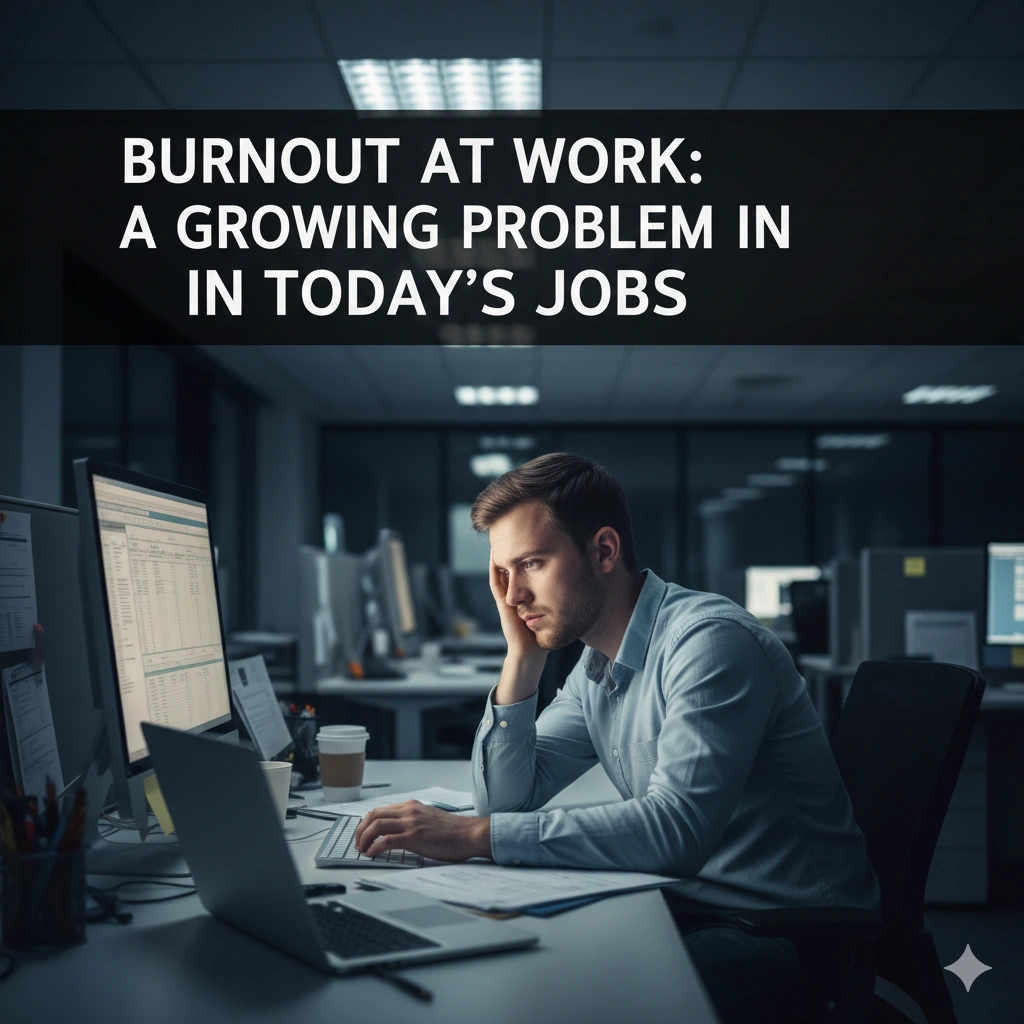
Constant oversight creates a high-stress environment. Employees worry about making mistakes, even small ones. This fear leads to anxiety, reduced focus, and emotional fatigue.
Micromanagement-related stress can cause:
- Burnout
- Sleep problems
- Decreased mental well-being
- Increased absenteeism
Employees may dread interactions with micromanagers, which damages team relationships and collaboration.
Impact on Productivity and Performance
Ironically, micromanagement often reduces productivity. When managers focus on controlling tasks instead of enabling results, efficiency declines.
Key productivity issues include:
- Delayed decision-making
- Overdependence on managers
- Reduced problem-solving skills
- Low accountability
Employees stop taking ownership because every decision requires approval, creating bottlenecks in workflows.
Micromanagement and Employee Turnover
Employees rarely leave companies—they leave micromanagers. Persistent micromanagement pushes talented employees to seek healthier work environments where they feel trusted and respected.
High turnover caused by micromanagement leads to:
- Increased recruitment costs
- Loss of institutional knowledge
- Lower team stability
- Damaged employer reputation
Organizations that tolerate micromanagement often struggle to retain top talent.
Micromanagement in Remote and Hybrid Work
Remote work has amplified micromanagement issues. Some managers respond to physical distance by increasing surveillance through frequent messages, tracking tools, and constant check-ins.
This behavior:
- Erodes trust
- Creates digital burnout
- Reduces flexibility benefits
Effective remote leadership requires outcome-based management, not constant monitoring.
Micromanagement vs. Effective Management
| Micromanagement | Effective Management |
|---|---|
| Controls processes | Focuses on outcomes |
| Lacks trust | Builds trust |
| Constant supervision | Empowerment |
| Discourages ideas | Encourages innovation |
| Creates stress | Builds confidence |
Understanding this difference helps organizations shift toward healthier leadership styles.
Psychological Effects of Micromanagement
Micromanagement impacts employees’ mental health. Over time, employees may develop:
- Low self-esteem
- Fear of decision-making
- Learned helplessness
- Emotional disengagement
When employees stop believing in their abilities, organizational performance suffers significantly.
How Micromanagement Damages Team Culture
Teams under micromanagement often lack collaboration and trust. Employees compete for approval rather than working together. Communication becomes guarded, and innovation disappears.
A micromanaged culture is characterized by:
- Silence in meetings
- Lack of initiative
- Fear of mistakes
- Minimal engagement
Such environments are unsustainable in the long term.
Signs Your Workplace Has a Micromanagement Problem
- Employees avoid decision-making
- Managers demand frequent updates
- High stress and burnout
- Low innovation
- Employees wait for instructions
Recognizing these signs early allows organizations to intervene before damage becomes irreversible.
How Employees Can Cope With Micromanagement
While change often requires organizational support, employees can:
- Clarify expectations early
- Communicate progress proactively
- Document work to reduce scrutiny
- Request autonomy respectfully
However, long-term solutions must come from leadership change, not employee adaptation alone.
How Organizations Can Reduce Micromanagement
1. Leadership Training
Teach managers how to delegate, trust, and lead outcomes rather than tasks.
2. Promote Outcome-Based Management
Focus on results instead of time spent or methods used.
3. Encourage Open Feedback
Allow employees to share concerns about micromanagement without fear of retaliation.
4. Redefine Success Metrics
Measure leadership effectiveness by team performance and engagement, not control.
5. Build a Culture of Trust
Trust-based environments reduce the need for excessive supervision.
The Role of HR in Addressing Micromanagement
HR can play a key role by:
- Conducting engagement surveys
- Offering coaching programs
- Setting clear management guidelines
- Intervening in toxic leadership behaviors
HR-led initiatives help prevent micromanagement from becoming normalized.
Long-Term Benefits of Eliminating Micromanagement
Organizations that reduce micromanagement experience:
- Higher employee engagement
- Increased innovation
- Better mental well-being
- Stronger leadership pipelines
- Improved business performance
Empowered employees contribute more effectively to organizational success.
Conclusion
Micromanagement is one of the most damaging workplace behaviors employees hate. While often driven by fear or insecurity, its impact is severe—lower morale, reduced productivity, high stress, and increased turnover. In today’s dynamic work environment, micromanagement is not only outdated but counterproductive.
Organizations that prioritize trust, autonomy, and leadership development create healthier workplaces where employees thrive. Eliminating micromanagement is not about losing control—it is about gaining stronger teams, better results, and long-term success.