Preparing for a job interview can be both exciting and nerve-wracking. Whether you’re a recent graduate or a seasoned professional, the way you prepare directly impacts how confidently you present yourself to employers. With the right approach, you can stand out from the competition and secure your dream role. This article outlines essential interview preparation tips to help you make a strong impression and increase your chances of success.
Understanding the Importance of Interview Preparation
Interview preparation isn’t just about rehearsing answers; it’s about understanding the employer’s needs, the company culture, and how your skills align with the role. A well-prepared candidate demonstrates enthusiasm, professionalism, and attention to detail—qualities every employer values.
Key Benefits of Proper Preparation
- Builds confidence and reduces anxiety.
- Helps you articulate your strengths and achievements.
- Allows you to tailor your responses to the job description.
- Demonstrates commitment and genuine interest in the company.
Research the Company Thoroughly
Employers appreciate candidates who take the time to learn about their organization. Doing so helps you tailor your answers and ask meaningful questions during the interview.
Steps to Effective Company Research
- Visit the company website: Review their mission, values, and products or services.
- Check recent news: Stay updated on company announcements, acquisitions, or awards.
- Explore social media: Observe how the company engages with its customers and employees.
- Understand their competitors: Gain insights into the company’s position within its industry.
Showing that you’ve done your homework signals genuine enthusiasm and a proactive mindset.
Analyze the Job Description
Each job description offers valuable clues about what employers are truly looking for. Break it down into key skills, qualifications, and responsibilities, then align your experiences with these requirements.
Action Steps
- Highlight keywords and skills mentioned in the job posting.
- Prepare examples from your past experiences that demonstrate these skills.
- Be ready to discuss how your expertise can help the company achieve its goals.
Practice Common Interview Questions
Preparation involves anticipating the questions you might be asked. While every interview is unique, certain questions are universal.
Frequently Asked Questions
- “Tell me about yourself.”
- “What are your strengths and weaknesses?”
- “Why do you want to work for our company?”
- “Describe a challenging situation and how you handled it.”
- “Where do you see yourself in five years?”
Use the STAR method (Situation, Task, Action, Result) to structure your responses with clarity and impact.
Prepare Questions for the Interviewer
Employers often ask if you have any questions at the end of the interview. This is your opportunity to show engagement and curiosity.
Smart Questions to Ask
- How does this role contribute to the company’s long-term goals?
- What are the biggest challenges the team currently faces?
- How is success measured in this position?
- What opportunities exist for professional growth?
Avoid asking about salary or benefits during the first interview unless prompted.
Dress Professionally and Appropriately
Your appearance creates a first impression before you even speak. Dressing professionally shows respect for the company and the interview process.
Tips for Choosing the Right Attire
- Research the company’s dress code (corporate, business casual, or creative).
- Choose clean, well-fitting clothes in neutral or subtle tones.
- Pay attention to grooming, accessories, and posture.
When in doubt, it’s better to be slightly overdressed than underdressed.
Practice Good Body Language
Non-verbal communication plays a major role in how you’re perceived during an interview.
Key Body Language Tips
- Maintain good posture and eye contact.
- Offer a firm handshake (if culturally appropriate).
- Smile naturally and nod when listening.
- Avoid fidgeting or crossing your arms.
Positive body language helps convey confidence, openness, and enthusiasm.
Prepare Your Documents and Portfolio
Being organized reflects professionalism. Have all relevant documents ready before your interview.
What to Bring
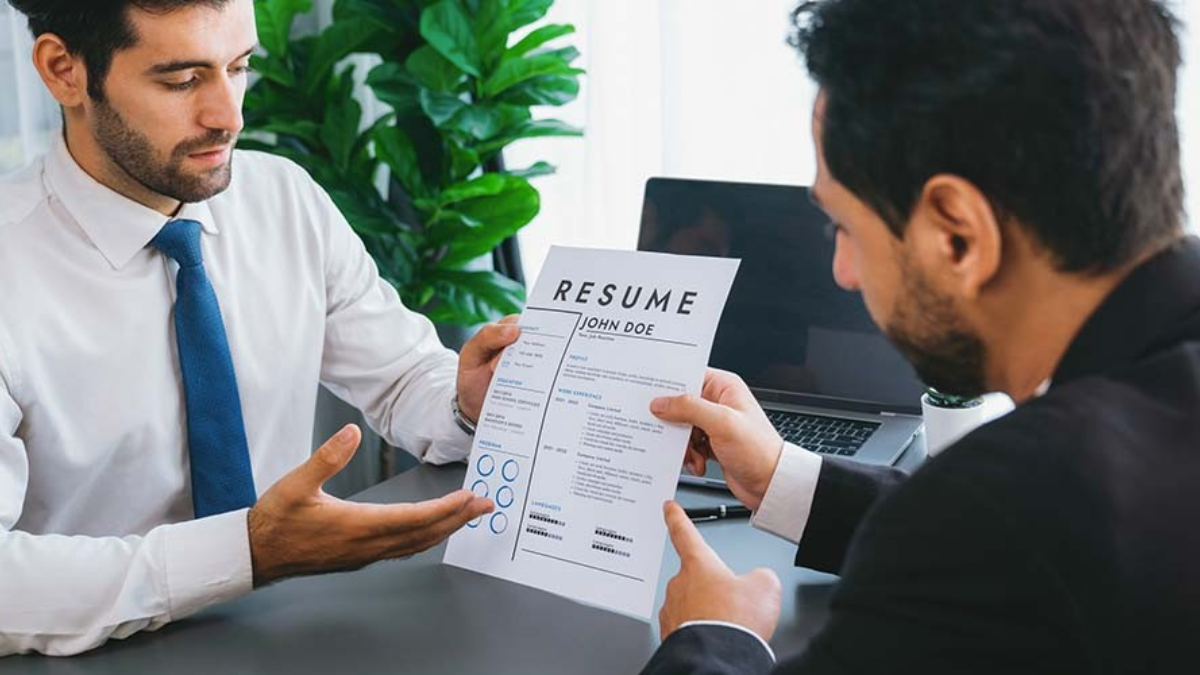
- Multiple copies of your resume.
- A list of professional references.
- Copies of certifications, awards, or portfolios.
- A notepad and pen for taking notes.
Digital portfolios or project samples can also demonstrate your capabilities, especially for creative or technical roles.
Manage Interview Anxiety
Feeling nervous before an interview is normal. The key is managing it effectively so it doesn’t interfere with your performance.
Techniques to Stay Calm
- Practice deep breathing exercises.
- Visualize a successful interview.
- Get enough rest and eat a balanced meal.
- Arrive early to avoid rushing.
Confidence grows with preparation and self-awareness.
Follow Up After the Interview
Following up shows appreciation and reinforces your interest in the position.
Best Practices for Follow-Up
- Send a personalized thank-you email within 24 hours.
- Reiterate your enthusiasm for the role.
- Briefly highlight how your skills align with the company’s needs.
A thoughtful follow-up can leave a lasting positive impression.
Common Mistakes to Avoid
Even qualified candidates can stumble if they overlook certain details.
Avoid These Pitfalls
- Arriving late or unprepared.
- Speaking negatively about previous employers.
- Giving vague or generic answers.
- Interrupting or failing to listen.
- Forgetting to ask insightful questions.
Attention to professionalism, respect, and authenticity sets you apart.
Conclusion
Success in interviews doesn’t come from luck—it comes from preparation, self-awareness, and genuine enthusiasm. By researching the company, practicing your answers, dressing appropriately, and showing confidence, you position yourself as the ideal candidate. Remember: employers seek more than skills—they look for attitude, alignment, and potential. With these essential interview preparation tips, you’ll be ready to impress employers and secure your next job.