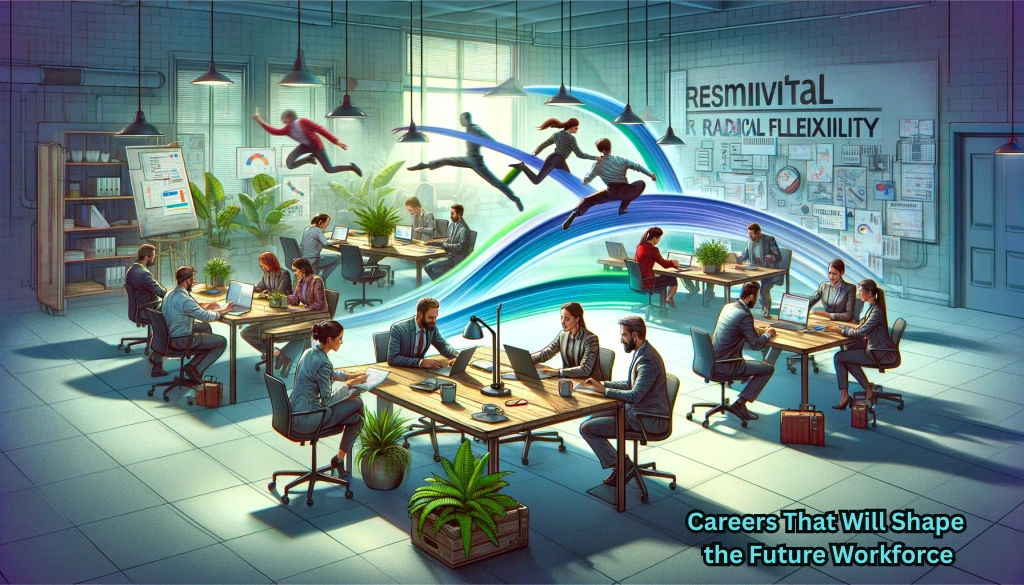
The global workforce is undergoing a historic transformation. Rapid technological advancements, shifting economic models, climate concerns, and evolving social expectations are redefining how we work and which careers will thrive in the coming decades. Traditional job roles are being reshaped, while entirely new professions are emerging at an unprecedented pace.
Careers that will shape the future workforce are not limited to one industry or country. They are driven by innovation, adaptability, and global demand. From artificial intelligence and green energy to healthcare innovation and digital education, future-focused careers promise stability, growth, and meaningful impact.
This article explores the key careers that will define the future of work, the skills required to succeed, and how professionals can prepare themselves for a rapidly changing global job market.
Why the Future Workforce Is Changing
Several powerful forces are reshaping employment worldwide:
- Automation and artificial intelligence
- Digital transformation across industries
- Aging populations and healthcare demands
- Climate change and sustainability goals
- Remote and hybrid work models
- Global talent mobility
These changes are creating a workforce that values skills over degrees, adaptability over routine, and innovation over tradition.
Top Careers That Will Shape the Future Workforce
1. Artificial Intelligence & Machine Learning Specialists
AI and machine learning are no longer optional technologies—they are core drivers of modern business. Professionals who design, manage, and optimize intelligent systems will play a central role in the future workforce.
Key roles include:
- AI Engineers
- Machine Learning Specialists
- AI Research Scientists
- Automation Architects
These careers influence industries such as healthcare, finance, manufacturing, transportation, and education, making them some of the most impactful jobs of the future.
2. Data Scientists & Analytics Professionals
Data has become the most valuable asset in the digital economy. Organizations rely on data professionals to make strategic decisions, predict trends, and improve performance.
Future-focused roles include:
- Data Scientists
- Business Intelligence Analysts
- Data Engineers
- Big Data Architects
As data-driven decision-making expands, these careers will remain essential across every sector.
3. Cybersecurity & Digital Risk Experts
With the rise of digital systems comes increased cyber threats. Cybersecurity professionals protect sensitive data, critical infrastructure, and digital trust.
In-demand cybersecurity careers:
- Cybersecurity Analysts
- Ethical Hackers
- Cloud Security Engineers
- Information Security Managers
These roles will shape the future workforce by ensuring safe and secure digital environments worldwide.
4. Green Energy & Sustainability Professionals
Climate change and environmental responsibility are reshaping global industries. Careers focused on sustainability are no longer niche—they are central to economic growth.
Key green careers include:
- Renewable Energy Engineers
- Sustainability Consultants
- Environmental Scientists
- Climate Policy Analysts
These professionals are driving the transition toward clean energy, sustainable cities, and responsible business practices.
5. Healthcare & Medical Innovation Specialists
Healthcare remains one of the fastest-growing sectors globally. The future workforce will depend heavily on professionals who combine medical knowledge with technology and innovation.
Emerging healthcare careers:
- Telemedicine Specialists
- Healthcare Data Analysts
- Medical Technologists
- Biotechnology Researchers
With aging populations and global health challenges, healthcare careers offer long-term stability and global demand.
6. Digital Education & Learning Professionals
Education is evolving beyond classrooms. Digital learning platforms and remote education models are shaping how future generations learn.
Future education roles include:
- Online Educators
- Instructional Designers
- Learning Experience Designers
- Educational Technology Specialists
These careers will play a vital role in reskilling and upskilling the global workforce.
7. Software Developers & Cloud Computing Experts
Software continues to power the global economy. Cloud infrastructure and application development are foundational to nearly every industry.
Key future roles include:
- Full-Stack Developers
- Cloud Architects
- DevOps Engineers
- Platform Engineers
These professionals enable scalability, innovation, and digital transformation across organizations.
8. Robotics & Automation Engineers
Automation is transforming manufacturing, logistics, healthcare, and agriculture. Robotics professionals design systems that improve efficiency and productivity.
High-impact roles include:
- Robotics Engineers
- Automation Technicians
- Industrial Systems Designers
These careers will shape how humans and machines collaborate in the future workplace.
9. Digital Marketing & Growth Strategists
As businesses compete in digital markets, professionals who understand online consumer behavior and brand growth are in high demand.
Future marketing careers include:
- Digital Marketing Strategists
- SEO & Performance Marketing Experts
- Content Growth Managers
- Marketing Analytics Specialists
These roles combine creativity with data-driven decision-making.
10. Human Resources & Workforce Transformation Experts
The future workforce needs leaders who understand people, culture, and technology. HR professionals are evolving into strategic workforce architects.
Future HR roles include:
- Talent Analytics Specialists
- Workforce Planning Managers
- Diversity & Inclusion Leaders
- Employee Experience Designers
These careers help organizations attract, retain, and develop global talent.
Skills That Will Define the Future Workforce
Regardless of industry, certain skills will be critical for future careers:
- Digital literacy
- Critical thinking and problem-solving
- Adaptability and lifelong learning
- Emotional intelligence
- Cross-cultural communication
- Creativity and innovation
Professionals who continuously upgrade their skills will remain relevant in a fast-changing job market.
Global Opportunities in Future-Focused Careers
Future workforce careers are not limited by borders. Countries such as Canada, Germany, the United States, Australia, and the UAE are actively recruiting professionals in technology, healthcare, sustainability, and engineering.
Remote work has further expanded access to global careers, allowing professionals to work for international companies without relocating.
How to Prepare for Careers of the Future
1. Invest in Skill Development
Focus on certifications, digital tools, and emerging technologies.
2. Stay Industry-Aware
Follow global trends, research reports, and workforce forecasts.
3. Build a Strong Professional Network
Connect with global professionals through online platforms and communities.
4. Embrace Lifelong Learning
Future careers require continuous education and adaptability.
Challenges Facing the Future Workforce
- Rapid skill obsolescence
- Increased competition for high-impact roles
- Need for continuous reskilling
- Ethical challenges in technology
Those who proactively prepare can turn these challenges into opportunities.
The Long-Term Impact of Future Careers
Careers shaping the future workforce do more than generate income—they influence how societies function, how resources are managed, and how technology improves human life. These roles contribute to sustainable growth, innovation, and global progress.
Conclusion
The future workforce will be defined by innovation, adaptability, and purpose-driven careers. Professionals who align their skills with emerging industries will not only secure financial stability but also play a role in shaping the world of tomorrow.
Whether in technology, healthcare, sustainability, or education, careers of the future offer growth, impact, and global relevance. Preparing today is the key to thriving in the workforce of tomorrow.