Introduction: When Hard Work Turns Into Exhaustion
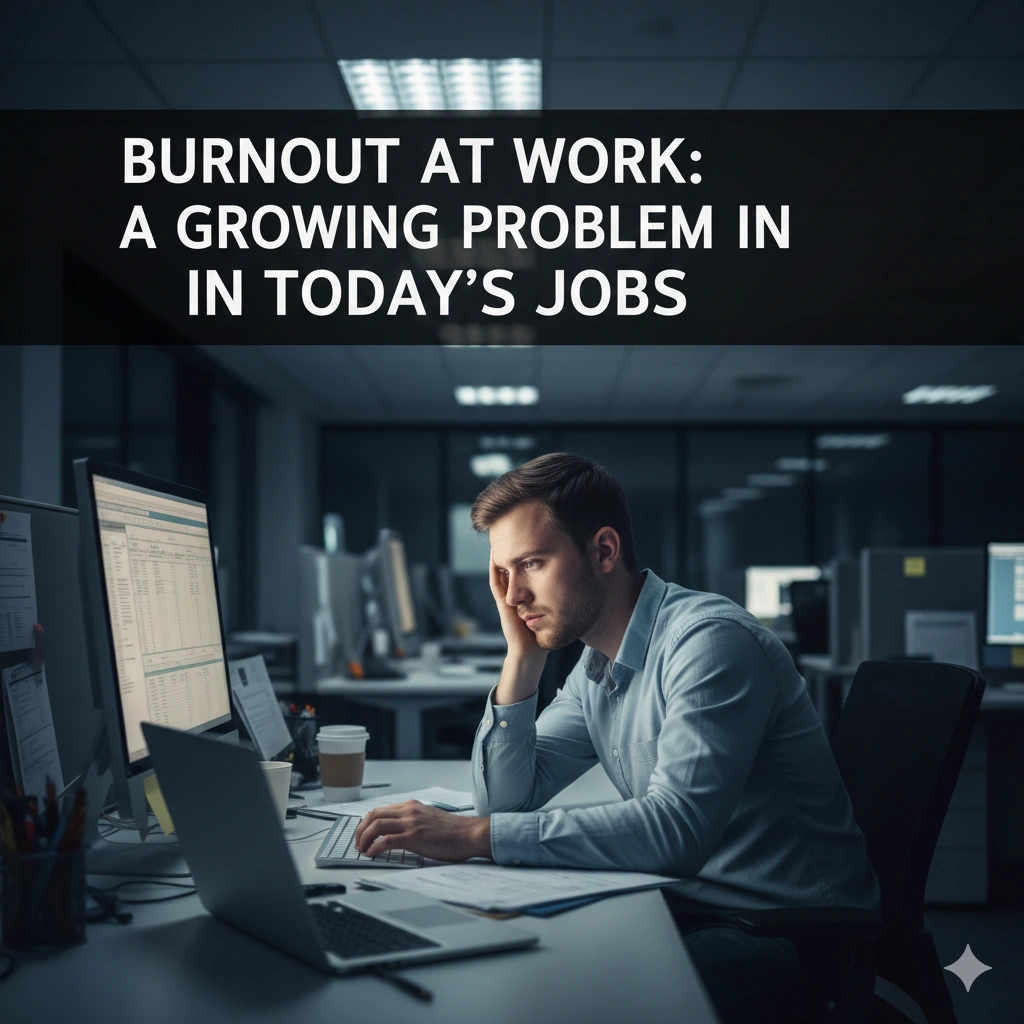
Work has always required effort, discipline, and responsibility. But in today’s jobs, the line between dedication and exhaustion has become dangerously thin. Burnout at work is no longer limited to a few high-pressure professions—it is now affecting employees across industries, job levels, and work models.
In 2025, burnout is one of the most common workplace problems, quietly damaging employee health, productivity, motivation, and long-term career satisfaction. Employees are working longer hours, juggling more responsibilities, and facing constant pressure to perform, adapt, and stay relevant in an uncertain job market.
What makes burnout especially alarming is how normalized it has become. Feeling drained, emotionally numb, or constantly overwhelmed is often accepted as “just part of the job.” As a result, many people fail to recognize burnout until it begins to seriously affect their mental health, physical well-being, and personal relationships.
This article explores why burnout at work is a growing problem in today’s jobs, how it develops, its impact on employees and organizations, and what can be done to prevent and recover from it.
What Is Burnout at Work?
Burnout is a state of long-term physical, mental, and emotional exhaustion caused by prolonged workplace stress. It is not the same as temporary tiredness or a bad week at work. Burnout develops slowly and deeply, often going unnoticed until it becomes severe.
Burnout is commonly associated with:
- Persistent exhaustion that does not improve with rest
- Emotional detachment or negativity toward work
- Reduced motivation and performance
- Feeling ineffective or unaccomplished
Unlike stress, which can sometimes motivate action, burnout drains energy and interest entirely.
Why Burnout Is Increasing in Today’s Jobs
1. Always-On Work Culture
Modern jobs rarely switch off. Emails, messages, and notifications follow employees beyond office hours. Many workers feel pressured to respond immediately, even during personal time.
This constant connectivity prevents mental recovery and creates continuous stress, which accelerates burnout.
2. Increased Workload With Fewer Resources
Many organizations expect employees to do more with fewer people due to cost-cutting, layoffs, or restructuring. Responsibilities increase, but support does not.
Over time, carrying excessive workloads without relief leads to exhaustion and resentment.
3. Job Insecurity and Fear of Replacement
Automation, artificial intelligence, outsourcing, and economic uncertainty have increased fear of job loss. Employees often overwork to prove their value and avoid being seen as replaceable.
Living under constant fear creates emotional strain and mental fatigue.
4. Performance Pressure and Constant Evaluation
Modern jobs rely heavily on targets, KPIs, ratings, and performance metrics. While accountability is important, constant evaluation creates anxiety and fear of failure.
Employees feel they are always being judged, which makes work mentally exhausting.
5. Lack of Recognition and Appreciation
Many employees work hard without receiving acknowledgment. When effort goes unnoticed, motivation declines.
Feeling undervalued is one of the fastest paths to emotional burnout.
6. Toxic Work Environments
Poor leadership, micromanagement, favoritism, workplace politics, and lack of psychological safety drain emotional energy.
Even manageable workloads become unbearable in toxic environments.
Early Warning Signs of Burnout
Burnout often begins subtly. Recognizing early signs can prevent serious consequences.
Emotional Signs
- Constant irritability or frustration
- Feeling emotionally drained
- Loss of enthusiasm for work
Mental Signs
- Difficulty concentrating
- Negative or cynical thinking
- Reduced creativity
Physical Signs
- Chronic fatigue
- Sleep disturbances
- Frequent headaches or body pain
Ignoring these signs allows burnout to deepen.
Mental Health Impact of Burnout
Burnout has a strong connection to mental health disorders. Prolonged exhaustion and emotional detachment increase the risk of:
- Anxiety disorders
- Depression
- Panic attacks
- Emotional numbness
Employees experiencing burnout often feel trapped, helpless, and disconnected from their work and identity.
Physical Health Effects of Burnout
Burnout affects the body as much as the mind. Chronic workplace stress contributes to:
- High blood pressure
- Heart disease
- Digestive problems
- Weakened immune system
Many burned-out employees neglect exercise, nutrition, and sleep, further damaging physical health.
Burnout Across Different Work Models
Corporate and Office Jobs
Long hours, deadlines, and performance pressure make burnout common.
Remote Work
Lack of boundaries, isolation, and constant availability cause silent burnout.
Healthcare
Emotional labor, long shifts, and high responsibility lead to extreme exhaustion.
IT and Tech
Rapid change, deadlines, and constant upskilling increase mental fatigue.
Gig and Freelance Work
Income instability and lack of support create continuous stress.
How Burnout Affects Career Growth
Burnout reduces creativity, confidence, and ambition. Employees may:
- Avoid new challenges
- Lose interest in career advancement
- Feel stuck or disengaged
Over time, burnout can derail promising careers and reduce long-term job satisfaction.
Organizational Impact of Employee Burnout
Burnout affects businesses as much as individuals. Common consequences include:
- Decreased productivity
- Higher absenteeism
- Increased employee turnover
- Low morale and engagement
Organizations that ignore burnout risk losing talent and damaging their reputation.
Why Employees Stay Silent About Burnout
Many employees hesitate to talk about burnout because:
- Mental health stigma still exists
- Fear of being judged as weak
- Concern about job security
- Burnout feels normalized
This silence allows burnout to worsen unnoticed.
Long-Term Consequences of Unaddressed Burnout
If burnout continues unchecked, it can lead to:
- Severe mental health conditions
- Chronic physical illness
- Career dissatisfaction
- Damaged personal relationships
Burnout can permanently change how people feel about work and life.
How Employees Can Prevent and Manage Burnout
- Set clear boundaries around work hours
- Take regular breaks during the day
- Prioritize sleep and physical activity
- Learn to say no to excessive demands
- Seek emotional or professional support
- Focus on meaningful, realistic goals
Small, consistent changes can significantly reduce burnout risk.
How Employers Can Reduce Burnout at Work
- Promote realistic workloads
- Encourage time off and recovery
- Recognize and reward effort
- Train managers in empathy
- Support mental health initiatives
- Build positive, inclusive cultures
Healthy employees are more productive and loyal.
Leadership’s Role in Preventing Burnout
Leaders shape workplace culture. Managers who communicate clearly, respect boundaries, and show empathy help prevent burnout.
Poor leadership, on the other hand, accelerates exhaustion and disengagement.
Rethinking Productivity and Success
Burnout often stems from unhealthy definitions of success based on hours worked rather than impact or sustainability.
Modern workplaces must redefine productivity to include:
- Employee well-being
- Work satisfaction
- Long-term performance
Sustainable success cannot exist without healthy employees.
Conclusion: Burnout Is a Signal for Change
Burnout at work is a growing problem because today’s jobs often demand more than people can sustainably give. Burnout is not a personal weakness—it is a warning sign that work systems need change.
In 2025, addressing burnout is essential for healthy careers, strong organizations, and a balanced society. By recognizing burnout early and taking action, employees and employers can create workplaces that support energy, purpose, and long-term success.