
Introduction
Work has changed more in the last five years than in the previous five decades. Remote work, artificial intelligence, economic uncertainty, rising living costs, and constant digital connectivity have completely reshaped the employee experience. While companies often highlight innovation, flexibility, and productivity, employees across industries are facing serious, often unspoken challenges.
Today’s workforce is not struggling because people don’t want to work. They are struggling because expectations are rising faster than support systems, salaries, and human understanding. Many employees feel overworked, undervalued, insecure, and mentally exhausted—yet afraid to speak up.
This article explores the biggest problems employees are facing in today’s jobs, why they exist, how they impact performance and well-being, and why addressing them is critical for the future of work.
1. Burnout and Chronic Work Stress
What’s Happening
Burnout is no longer limited to doctors or high-pressure executives. Employees at all levels—entry-level, mid-career, and senior—report constant exhaustion, lack of motivation, and emotional fatigue.
Root Causes
- Long working hours
- Always-online culture
- Unrealistic deadlines
- Staff shortages
- Poor work-life boundaries
Impact on Employees
- Declining mental and physical health
- Reduced productivity
- Increased absenteeism
- High turnover intentions
Burnout is not a personal failure—it is a system failure.
2. Job Insecurity and Fear of Layoffs
What’s Happening
Even high-performing employees feel insecure. Layoffs, automation, outsourcing, and contract work have made job stability uncertain.
Why This Fear Is Growing
- Economic slowdowns
- AI replacing or changing roles
- Cost-cutting measures
- Short-term business strategies
Emotional Impact
- Constant anxiety
- Overworking to “prove value”
- Difficulty planning life decisions
- Reduced loyalty to employers
Employees are working harder—not because they are motivated, but because they are afraid.
3. Low Pay Compared to Rising Living Costs
The Reality
In many regions, salaries have not kept pace with inflation, housing costs, healthcare expenses, and education fees.
Common Employee Frustrations
- “I’m working full-time but still struggling”
- No meaningful annual increments
- High performance, low reward
- Financial stress despite employment
Consequences
- Side hustles becoming necessary
- Increased debt
- Declining morale
- Reduced engagement at work
A paycheck that doesn’t cover basic needs turns any job into a survival struggle.
4. Lack of Career Growth and Skill Development
What Employees Experience
Many employees feel stuck doing the same tasks year after year, with no clear path to advancement.
Key Issues
- No structured promotion plans
- Limited learning opportunities
- Favoritism over merit
- Poor mentoring
Why It’s Dangerous
Employees don’t quit companies—they quit stagnation.
Without growth, motivation dies.
5. Poor Management and Leadership
One of the Biggest Problems
Bad managers are one of the top reasons employees leave jobs.
Common Complaints
- Micromanagement
- Lack of communication
- No empathy
- Unrealistic expectations
- Credit taken, blame shifted
Impact
- High stress
- Toxic work environments
- Loss of confidence
- Decreased productivity
People may join companies—but they leave managers.
6. Mental Health Struggles at Work
What’s Changing
Mental health issues such as anxiety, depression, and stress are increasing, yet many workplaces still treat them as taboo.
Why Employees Suffer
- Fear of judgment
- Lack of mental health support
- Pressure to appear “strong”
- No safe spaces to speak
Result
Employees continue working while mentally unwell, leading to mistakes, disengagement, and long-term damage.
7. Work-Life Imbalance
The Myth
“Flexible work” often translates to “work anytime.”
The Reality
- Late-night messages
- Weekend emails
- No clear off-time
- Guilt for taking leave
Impact
- Strained relationships
- Sleep problems
- Reduced personal time
- Long-term dissatisfaction
Work should support life—not consume it.
8. Toxic Work Culture
What Defines a Toxic Workplace
- Gossip and politics
- Disrespect
- Harassment
- Lack of trust
- Fear-based management
Why Employees Stay
- Financial dependency
- Fear of job market
- Lack of alternatives
Long-Term Damage
Toxic cultures don’t just hurt employees—they destroy organizations from within.
9. Lack of Recognition and Appreciation
The Problem
Many employees work hard but feel invisible.
Common Scenarios
- No acknowledgment for extra effort
- Promotions without transparency
- Praise only when things go wrong
Why It Matters
Recognition is not about ego—it’s about feeling valued.
Unrecognized effort leads to disengagement.
10. Unclear Roles and Constant Role Expansion
What’s Happening
Employees are hired for one role but end up doing three.
Causes
- Poor job planning
- Cost-cutting
- Lack of staffing
Result
- Confusion
- Overload
- Stress
- Lower quality work
When everything is your responsibility, nothing feels manageable.
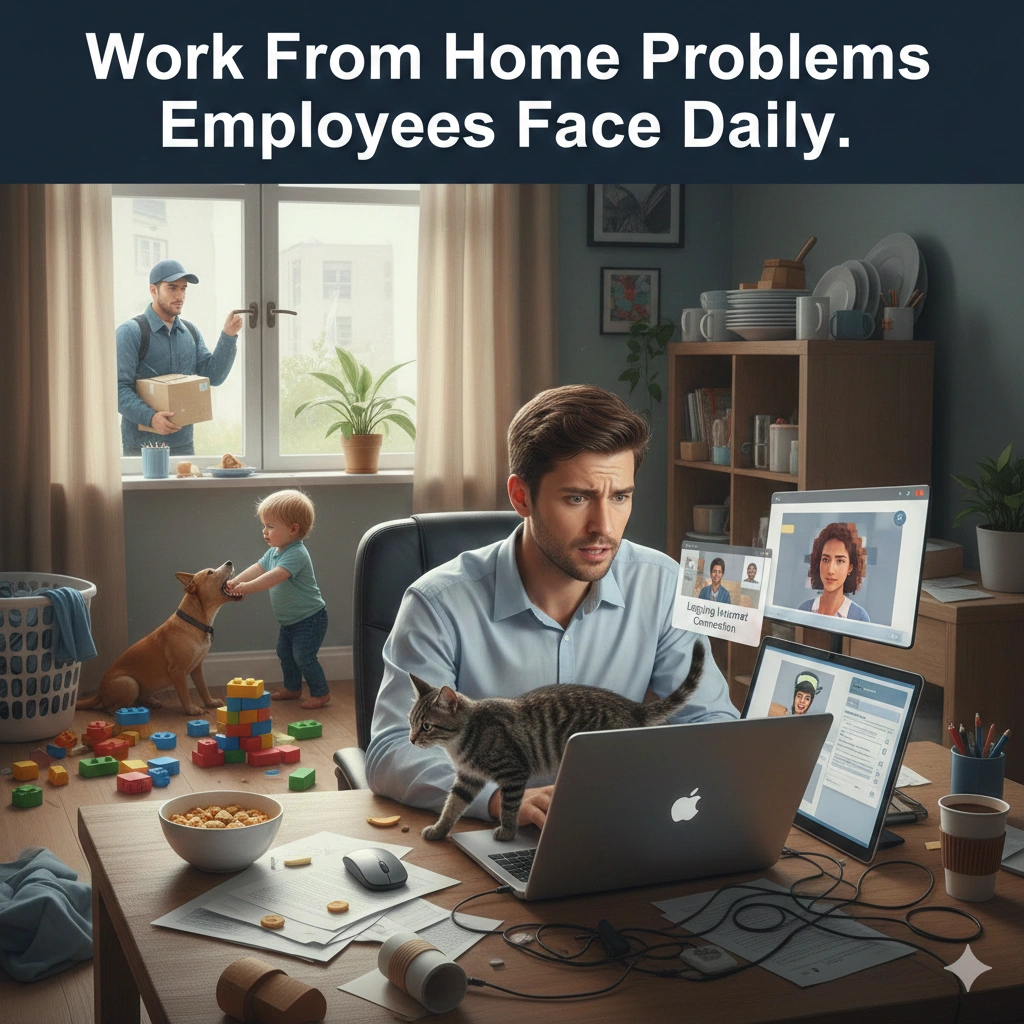
11. Remote Work Challenges
While Remote Work Has Benefits…
It also brings new problems:
- Isolation
- Blurred boundaries
- Over-monitoring
- Communication gaps
Employees Struggle With
- Feeling disconnected
- Always being “available”
- Lack of visibility for promotions
Remote work needs structure—not constant surveillance.
12. Discrimination and Inequality
Ongoing Issues
- Gender pay gaps
- Age bias
- Cultural discrimination
- Unequal opportunities
Impact
Employees feel undervalued not for performance—but identity.
Fairness is not optional. It’s essential.
13. Unrealistic Performance Metrics
The Issue
Employees are judged by numbers that don’t reflect real work.
Examples
- Quantity over quality
- Constant KPI pressure
- Ignoring human limitations
Result
- Short-term thinking
- Burnout
- Ethical compromises
Good work cannot always be measured by dashboards.
14. Lack of Employee Voice
What Employees Feel
- Feedback is ignored
- Speaking up feels risky
- Decisions are top-down
Consequence
Silence replaces engagement.
Employees disengage mentally long before they resign.
15. Fear of Change and Skill Obsolescence
The Modern Anxiety
Technology evolves fast—and employees fear being left behind.
Concerns
- Automation replacing roles
- Skills becoming outdated
- No training support
Result
Constant anxiety about the future.
Why These Problems Matter
When employees struggle, organizations suffer:
- Low productivity
- High turnover
- Poor employer branding
- Declining innovation
A healthy workforce is not a luxury—it’s a competitive advantage.
What Employees Actually Want
Across industries, employees consistently want:
- Fair pay
- Respect
- Stability
- Growth opportunities
- Supportive leadership
- Work-life balance
These are not unreasonable demands—they are basic human needs.
The Way Forward
For Employers
- Invest in people, not just profits
- Train managers in empathy
- Support mental health
- Reward fairly
- Communicate transparently
For Employees
- Set boundaries
- Upskill continuously
- Speak up when possible
- Prioritize well-being
- Choose environments wisely
Conclusion
The biggest problems employees face today are not about laziness or lack of ambition. They are about systems that prioritize output over humanity. Work should provide dignity, purpose, and security—not constant stress and fear.
As the future of work continues to evolve, addressing these challenges is no longer optional. Companies that listen, adapt, and care will retain talent. Those that ignore employee struggles will continue to lose their most valuable asset—their people.