
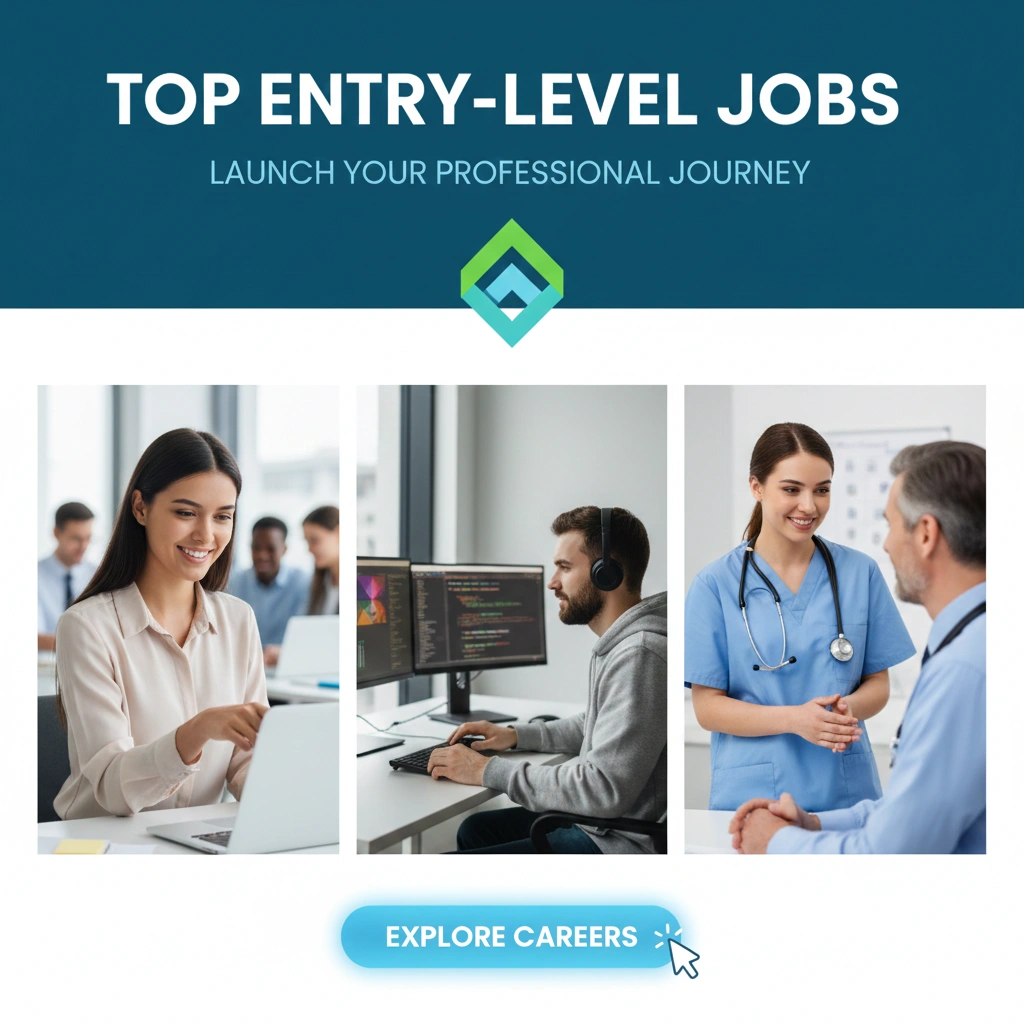
Starting a career can feel overwhelming, especially when you’re stepping into the professional world for the first time. Entry-level jobs play a crucial role in shaping your career path by providing hands-on experience, practical skills, and exposure to workplace culture. In today’s competitive job market, top entry-level jobs are designed to help graduates and early-career professionals launch their professional journey with confidence, learning opportunities, and long-term growth.
This comprehensive guide explores the best entry-level jobs across industries, the skills required, career growth potential, and actionable tips to help you secure your first role successfully.
Why Entry-Level Jobs Are Important
Entry-level roles are the foundation of a successful career. They allow candidates to gain real-world experience, develop professional skills, and understand how organizations operate.
Key Benefits of Entry-Level Jobs
- Practical industry exposure
- Skill development and training
- Understanding workplace dynamics
- Career clarity and direction
- Opportunities for internal growth
These roles focus on learning and performance rather than prior experience.
Industries Offering the Best Entry-Level Jobs
1. Information Technology (IT) & Software Services
The IT sector continues to offer some of the most promising entry-level opportunities.
Popular Entry-Level Roles:
- Software Developer Trainee
- Web Developer (Junior)
- IT Support Executive
- QA Tester
Growth Potential:
With experience and upskilling, candidates can advance to senior developer, architect, or management roles.
2. Data Analytics & Business Intelligence
Data-driven roles are increasingly accessible to entry-level professionals.
Entry-Level Jobs:
- Junior Data Analyst
- Business Intelligence Associate
- Reporting Analyst
Basic analytical skills and tool knowledge can lead to high-growth careers.
3. Digital Marketing & Content Creation
Digital marketing is one of the fastest-growing and beginner-friendly fields.
Top Roles:
- Digital Marketing Executive
- SEO Analyst
- Content Writer
- Social Media Coordinator
Creativity and digital awareness matter more than experience.
4. Banking, Finance & Accounting
Finance offers structured and stable entry-level career paths.
Common Roles:
- Accounts Executive
- Banking Operations Officer
- Junior Financial Analyst
Certifications enhance long-term career prospects.
5. Human Resources (HR) & Talent Acquisition
HR roles are ideal for professionals interested in people management.
Entry-Level Positions:
- HR Executive
- Recruiter
- HR Operations Assistant
These roles offer exposure to recruitment, compliance, and employee engagement.
6. Sales & Business Development
Sales roles provide fast learning and performance-based growth.
Entry-Level Jobs:
- Sales Executive
- Business Development Associate
- Relationship Officer
Top performers quickly move into leadership positions.
7. Customer Support & Service Operations
Customer service roles are widely available and skill-focused.
Popular Roles:
- Customer Support Executive
- Technical Support Associate
- Call Center Agent
Strong communication skills are key to success.
8. Education, Training & EdTech
Education offers fulfilling entry-level roles.
Available Positions:
- Teaching Assistant
- Academic Counselor
- Online Tutor
These roles support long-term career stability.
9. Engineering & Core Technical Roles
Engineering graduates can find structured entry-level opportunities.
Roles Include:
- Graduate Engineer Trainee
- Site Engineer
- Maintenance Engineer
Hands-on training helps build technical expertise.
10. Operations, Logistics & Administration
Operations roles focus on coordination and execution.
Entry-Level Jobs:
- Operations Executive
- Logistics Coordinator
- Office Administrator
These jobs develop management and organizational skills.
Work From Home Entry-Level Jobs
Remote work has expanded entry-level opportunities globally.
Popular Remote Roles:
- Content Writer
- Virtual Assistant
- Data Entry Operator
- Online Customer Support Executive
Remote jobs offer flexibility and global exposure.
Skills Needed to Succeed in Entry-Level Jobs
Technical Skills
- Basic industry tools and software
- Digital literacy
- Job-specific fundamentals
Soft Skills
- Communication
- Teamwork
- Adaptability
- Problem-solving
Soft skills often matter more than technical expertise at entry level.
How to Choose the Right Entry-Level Job
- Assess your interests and strengths
- Research industry growth trends
- Focus on learning opportunities
- Consider long-term career prospects
Choosing the right first job can shape your entire career.
Tips to Get Hired for Entry-Level Jobs
- Build a clear, concise resume
- Highlight internships, projects, and certifications
- Prepare for interviews thoroughly
- Apply consistently and strategically
Career Growth After Entry-Level Roles
Entry-level jobs often lead to:
- Promotions and role upgrades
- Specialized career paths
- Leadership opportunities
- Global career options
Continuous learning accelerates professional growth.
Future of Entry-Level Careers
The future job market emphasizes:
- Skill-based hiring
- Digital-first roles
- Hybrid and remote work
- Continuous learning culture
Early-career professionals who adapt will thrive.
Conclusion: Start Strong with the Right Entry-Level Job
Choosing from the top entry-level jobs is the first step toward building a successful and fulfilling career. These roles provide the skills, experience, and confidence needed to grow professionally and achieve long-term goals.
Start exploring opportunities today, apply with confidence, and launch your professional journey with the right entry-level role that aligns with your ambitions and strengths.