Introduction
The world of work is undergoing a dramatic transformation. Rapid technological advancements, shifting economic models, climate change, globalization, and evolving social values are reshaping how businesses operate and how professionals build their careers. Traditional job roles are being redefined, new professions are emerging, and skills that were once optional are now essential. As organizations adapt to automation, artificial intelligence, digitalization, and sustainability goals, the future workforce will demand a new generation of careers that blend technical expertise, creativity, adaptability, and human-centric skills.
Understanding careers that will shape the future workforce is crucial for students, job seekers, professionals, educators, and policymakers. Choosing a future-proof career path not only ensures long-term employability but also empowers individuals to contribute meaningfully to economic growth and societal progress. This article explores the most influential career fields that will define the future of work, the skills required to succeed, and why these roles will remain in high demand in the coming decades.
The Forces Driving the Future Workforce
Before exploring specific careers, it is important to understand the key forces shaping the future workforce:
1. Technological Innovation
Automation, artificial intelligence (AI), machine learning, blockchain, cloud computing, and robotics are revolutionizing industries across the globe. These technologies are creating new job roles while replacing repetitive and manual tasks.
2. Digital Transformation
Almost every industry—from healthcare and finance to education and retail—is becoming digitally driven. This shift is creating massive demand for digital professionals.
3. Sustainability and Climate Change
The global focus on environmental responsibility and sustainable development is generating green careers and redefining traditional industries.
4. Globalization and Remote Work
Cross-border collaboration, remote teams, and global markets are reshaping how companies hire and manage talent.
5. Human-Centric Work Models
Despite technological progress, creativity, emotional intelligence, leadership, and ethical decision-making remain irreplaceable human strengths.
1. Artificial Intelligence and Machine Learning Specialists
Artificial Intelligence is no longer a futuristic concept—it is already embedded in everyday life. From virtual assistants and recommendation engines to autonomous vehicles and predictive analytics, AI is transforming industries.
Why This Career Will Shape the Future
AI and machine learning specialists design systems that learn, adapt, and improve over time. Their work enables businesses to make smarter decisions, improve efficiency, and deliver personalized experiences.
Key Roles
- AI Engineer
- Machine Learning Engineer
- Data Scientist
- AI Research Scientist
Skills Required
- Programming languages (Python, R, Java)
- Data analysis and statistics
- Neural networks and deep learning
- Ethical AI principles
AI professionals will remain essential as organizations increasingly rely on intelligent systems for innovation and growth.
2. Data Analysts and Data Scientists
Data is often referred to as the “new oil.” Organizations collect vast amounts of data, but its true value lies in interpretation and insight.
Why This Career Will Shape the Future
Data analysts and scientists turn raw data into actionable insights that drive strategic decision-making. As businesses become more data-driven, these roles will continue to grow.
Key Roles
- Data Analyst
- Business Intelligence Analyst
- Data Scientist
- Big Data Engineer
Skills Required
- Data visualization tools
- Statistical analysis
- SQL, Python, and R
- Critical thinking
Data professionals help organizations predict trends, optimize performance, and stay competitive in fast-changing markets.
3. Cybersecurity Professionals
With increasing digitalization comes increased risk. Cyber threats, data breaches, and cybercrime are major concerns for governments and organizations worldwide.
Why This Career Will Shape the Future
Cybersecurity professionals protect digital infrastructure, sensitive information, and user privacy. As cyber threats evolve, demand for skilled security experts will continue to rise.
Key Roles
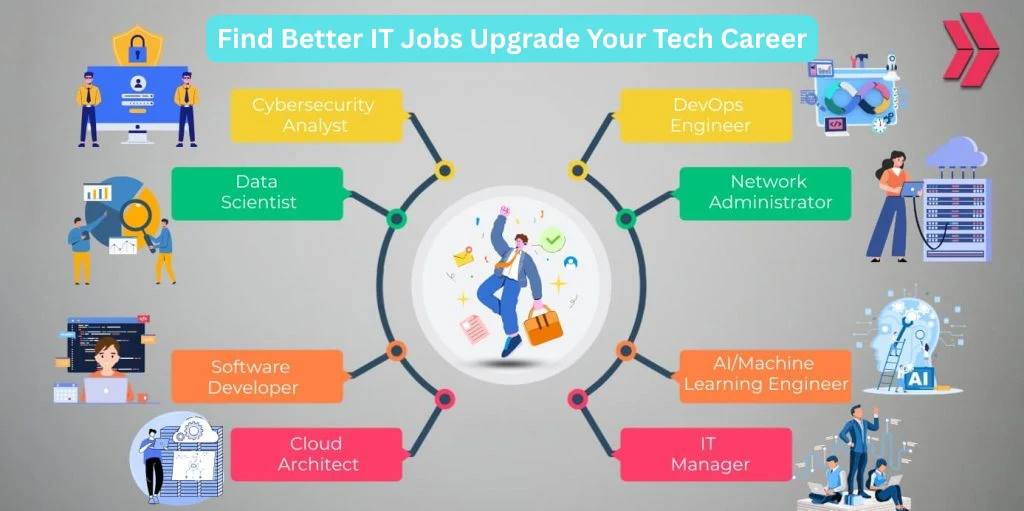
- Cybersecurity Analyst
- Ethical Hacker
- Information Security Manager
- Cloud Security Engineer
Skills Required
- Network security
- Risk assessment
- Encryption technologies
- Incident response
Cybersecurity is a cornerstone of trust in the digital economy, making it a critical future career.
4. Renewable Energy and Sustainability Experts
Climate change and environmental responsibility are no longer optional concerns—they are global priorities.
Why This Career Will Shape the Future
Sustainability professionals help organizations reduce carbon footprints, adopt renewable energy solutions, and comply with environmental regulations.
Key Roles
- Renewable Energy Engineer
- Sustainability Consultant
- Environmental Analyst
- Climate Policy Advisor
Skills Required
- Energy systems knowledge
- Environmental science
- Policy analysis
- Project management
Green careers will play a central role in shaping a sustainable future workforce.
5. Healthcare and Biotechnology Professionals
Healthcare is one of the fastest-growing sectors, driven by aging populations, medical innovation, and digital health technologies.
Why This Career Will Shape the Future
Biotechnology and healthcare professionals improve quality of life through advanced diagnostics, personalized medicine, and innovative treatments.
Key Roles
- Biomedical Engineer
- Genetic Counselor
- Telemedicine Specialist
- Healthcare Data Analyst
Skills Required
- Medical knowledge
- Research and analysis
- Technology integration
- Ethical decision-making
The fusion of healthcare and technology will redefine medical careers in the future workforce.
6. Digital Marketing and Growth Strategists
As businesses compete in digital marketplaces, the ability to attract and engage online audiences has become vital.
Why This Career Will Shape the Future
Digital marketers use data, creativity, and technology to drive brand growth, customer engagement, and revenue.
Key Roles
- Digital Marketing Manager
- SEO Specialist
- Content Strategist
- Growth Hacker
Skills Required
- SEO and analytics
- Content creation
- Social media strategy
- Marketing automation
Digital marketing careers will continue evolving with new platforms, tools, and consumer behaviors.
7. Software Developers and Cloud Computing Experts
Software is the backbone of modern business operations, and cloud infrastructure enables scalability and flexibility.
Why This Career Will Shape the Future
Developers and cloud professionals build and maintain the systems that power digital transformation across industries.
Key Roles
- Software Engineer
- Cloud Architect
- DevOps Engineer
- Full-Stack Developer
Skills Required
- Programming languages
- Cloud platforms (AWS, Azure, Google Cloud)
- Agile development
- System architecture
Software and cloud careers will remain essential as technology continues to advance.
8. UX/UI Designers and Product Designers
User experience has become a competitive advantage in digital products and services.
Why This Career Will Shape the Future
UX/UI designers create intuitive, accessible, and engaging digital experiences that align with user needs and business goals.
Key Roles
- UX Designer
- UI Designer
- Product Designer
- Interaction Designer
Skills Required
- Design thinking
- User research
- Prototyping tools
- Collaboration
Design professionals bridge the gap between technology and human needs.
9. Education and Learning Experience Designers
The future of work requires continuous learning and skill development.
Why This Career Will Shape the Future
Education professionals and learning designers create innovative training programs, online courses, and skill-based learning models.
Key Roles
- Instructional Designer
- Corporate Trainer
- EdTech Specialist
- Learning Consultant
Skills Required
- Curriculum design
- Digital tools
- Communication
- Assessment strategies
Lifelong learning will be essential in the future workforce, making education careers increasingly important.
10. Human Resources and People Analytics Professionals
Human capital is the most valuable asset in any organization.
Why This Career Will Shape the Future
Modern HR professionals use data, psychology, and strategy to build inclusive, productive, and adaptable workforces.
Key Roles
- HR Business Partner
- People Analytics Specialist
- Talent Development Manager
- Organizational Psychologist
Skills Required
- Data analysis
- Employee engagement
- Leadership development
- Diversity and inclusion
HR careers will evolve into strategic roles that shape workplace culture and performance.
Essential Skills for the Future Workforce
Regardless of profession, certain skills will define success in the future workforce:
- Critical thinking and problem-solving
- Digital literacy
- Emotional intelligence
- Adaptability and resilience
- Collaboration and communication
Professionals who combine technical expertise with human skills will thrive in the evolving job market.
Conclusion
The future workforce will be shaped by innovation, sustainability, digital transformation, and human creativity. Careers in artificial intelligence, data science, cybersecurity, healthcare, renewable energy, software development, and education will play pivotal roles in shaping how we work, live, and grow as a global society.
Preparing for these careers requires continuous learning, adaptability, and a forward-thinking mindset. By understanding emerging trends and investing in future-ready skills, individuals can build meaningful, resilient careers while contributing to a more innovative and sustainable world.
The future of work is not just about technology—it is about people, purpose, and progress.