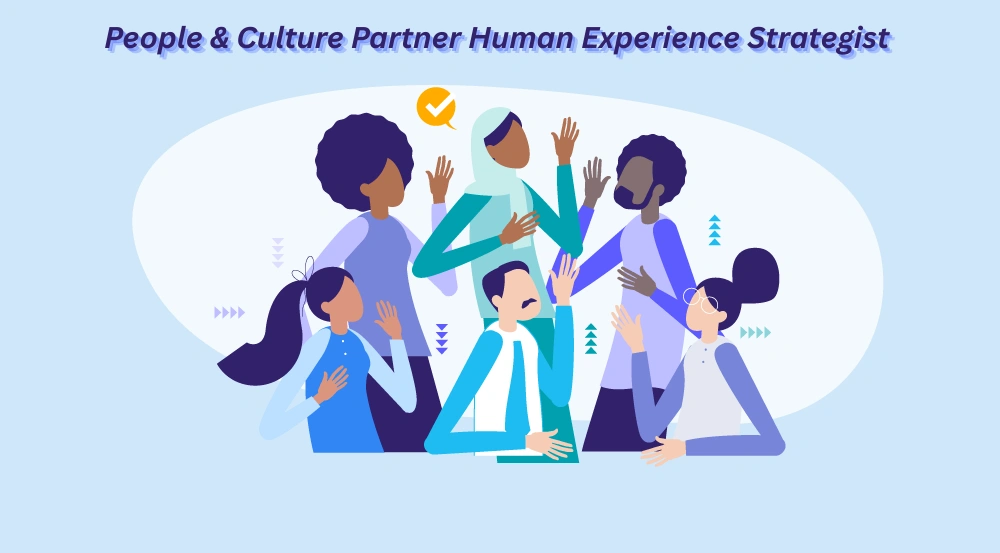
In today’s dynamic and fast-evolving business landscape, organizations are no longer judged solely by their products, profits, or market presence. Instead, they are increasingly evaluated based on their ability to create meaningful human experiences, nurture a positive workplace culture, and empower employees to thrive personally and professionally. At the heart of this transformation lies a powerful, multidimensional role: the People & Culture Partner | Human Experience Strategist & Workplace Culture Expert.
This hybrid role blends strategic human resource management, behavioral insights, and cultural leadership to create a workplace where people feel valued, supported, and connected. It elevates traditional HR into a modern, human-centric ecosystem focused on belonging, wellbeing, engagement, and organizational performance.
This in-depth article explores the full scope of the People & Culture Partner’s role, the significance of human experience design, the evolving importance of workplace culture, and strategies that help organizations create a high-performing, people-first environment.
1. Understanding the Evolving Role of a People & Culture Partner
Traditional HR was built around compliance, policy, and processes. Modern People & Culture leadership is built around humans, their aspirations, emotions, and holistic work experiences.
A People & Culture Partner serves as:
- A strategic advisor
- A cultural architect
- A leadership coach
- An employee advocate
- A human experience designer
- A change facilitator
They work closely with leadership teams to ensure HR practices, structural decisions, and workplace systems reinforce a positive culture and align with organizational values.
Core responsibilities include:
- Strengthening organizational culture
- Enhancing employee experience across the lifecycle
- Driving engagement and performance
- Coaching leaders on people-centric practices
- Designing DEI, wellbeing, and recognition programs
- Supporting talent planning and workforce development
- Managing employee relations with empathy and fairness
This role requires emotional intelligence, strategic thinking, communication excellence, and a deep understanding of human behavior.
2. Human Experience Strategy: A New HR Superpower
The modern workplace is shifting from “employee experience” to human experience, recognizing employees as whole individuals with emotional, mental, and social needs.
A Human Experience Strategist focuses on:
- Psychological safety
- Meaningful connections at work
- Purpose-driven roles
- Seamless digital and physical work environments
- Mental and emotional wellbeing
- Work-life balance
- Transparent communication
- Fairness and equity
By designing a human-centered workplace, organizations see improvements in engagement, performance, and retention.
Why Human Experience Matters
- Boosts productivity
- Reduces burnout and turnover
- Strengthens trust and belonging
- Encourages creativity and innovation
- Improves employer branding
- Enhances long-term organizational health
People want to feel seen and supported—not just managed. A Human Experience Strategist ensures this.
3. Workplace Culture as the Heartbeat of Organizational Success
Workplace culture influences every aspect of an organization—from employee morale to customer satisfaction. A dedicated Workplace Culture Expert ensures the internal environment supports collaboration, inclusion, and excellence.
Key components of a healthy workplace culture include:
- Shared values and behaviors
- Transparent leadership
- Mutual trust and respect
- Open communication
- Recognition and appreciation
- Supportive policies
- Learning and growth opportunities
- Diversity, equity, and inclusion
Culture is not a one-time initiative; it is the daily experience of employees. The People & Culture Partner ensures it remains strong, intentional, and aligned with organizational goals.
4. Designing a Seamless Employee Journey
The employee lifecycle—from recruitment to exit—plays a crucial role in shaping human experience.
4.1 Recruitment & Onboarding
Creating warm, welcoming, and meaningful first impressions that set employees up for success.
4.2 Development & Growth
Providing continuous learning, personalized career pathways, and skill-building opportunities.
4.3 Performance & Feedback
Encouraging regular check-ins, coaching, and development-focused performance reviews.
4.4 Recognition & Rewards
Celebrating achievements, effort, and impact to reinforce positive behaviors.
4.5 Wellbeing & Support
Ensuring access to mental, physical, emotional, and financial wellbeing resources.
4.6 Offboarding & Alumni Experience
Treating departing employees with respect to foster long-term relationships.
A People & Culture Partner enhances each touchpoint to create a cohesive, empowering experience.
5. Employee Engagement: The Engine of High-Performance Culture
Engagement emerges when employees feel:
- Valued
- Motivated
- Connected
- Empowered
- Aligned with organizational purpose
The People & Culture Partner designs systems that promote these outcomes through engagement programs, employee listening strategies, and transparent two-way communication.
Engagement Strategies Include:
- Employee surveys
- Town halls and open forums
- Recognition platforms
- Celebrations and team-building activities
- Inclusion networks and employee communities
- Wellness initiatives
- Manager coaching
Higher engagement leads to improved productivity, reduced attrition, and stronger organizational loyalty.
6. Building Leadership that Exemplifies Culture
Leaders shape culture more than any policy or HR initiative. A People & Culture Partner supports leaders in cultivating emotional intelligence, accountability, and human-centric behaviors.
Leadership development focus areas:
- Mindful communication
- Conflict resolution
- Coaching and mentoring
- Diversity awareness
- Performance management
- Empathy and listening skills
- Change management
- Role-modeling organizational values
When leaders embody the culture, employees naturally emulate it.
7. The Role of People Analytics in Human Experience Strategy
Data-driven approaches help People & Culture Partners design targeted strategies and measure impact.
They analyze:
- Engagement scores
- Turnover patterns
- Hiring metrics
- Performance outcomes
- Learning and development participation
- Absenteeism and wellbeing indicators
People analytics transforms assumptions into insights, helping organizations make informed decisions about culture, talent, and workforce strategy.
8. Navigating Change with Empathy & Strategy
Whether implementing new technology, restructuring teams, or navigating crises, a People & Culture Partner guides organizations through change.
Key change management responsibilities include:
- Communicating transparently
- Addressing employee concerns
- Training leaders to support their teams
- Minimizing uncertainty and resistance
- Co-creating solutions with employees
- Ensuring cultural consistency during transitions
Empathetic change management ensures stability and trust during organizational shifts.
9. Championing Diversity, Equity & Inclusion (DEI)
A Workplace Culture Expert recognizes the importance of creating an environment where every individual feels valued and respected.
DEI strategies include:
- Inclusive hiring practices
- Bias-free performance evaluations
- Learning programs on cultural awareness
- Resource groups and diversity councils
- Pay equity analysis
- Inclusive communication practices
- Equal growth opportunities
An inclusive culture drives innovation, creativity, and stronger team performance.
10. Wellbeing as a Foundation for Performance
Employee wellbeing is not a privilege—it is essential.
Wellbeing programs may include:
- Mental health counseling
- Fitness programs and wellness days
- Stress management workshops
- Flexible work arrangements
- Workload balance support
- Financial wellness education
Healthy employees exhibit higher engagement, creativity, and resilience.
11. Conflict Resolution Through a People-Centric Lens
Workplace conflict is natural. A People & Culture Partner ensures these conflicts are resolved fairly, respectfully, and constructively.
They facilitate:
- Mediation sessions
- Open communication
- Clarification of expectations
- Solutions that benefit both people and the organization
Their approach prioritizes empathy balanced with organizational needs.
12. The Future of People & Culture Leadership
The world of work is evolving rapidly. Future People & Culture leaders must master:
- AI-enabled HR tools
- Digital collaboration
- Skills-based workforce planning
- Hybrid culture design
- Human-centered leadership
- Emotional wellbeing strategies
- Personalization of employee experience
- Purpose-led organizational design
The future belongs to organizations that prioritize people and culture as strategic assets.
13. Final Thoughts
A People & Culture Partner | Human Experience Strategist & Workplace Culture Expert plays a transformative role in shaping the modern workplace. They go beyond traditional HR to design meaningful, enriching human experiences that empower employees, strengthen culture, and accelerate organizational success.
They understand that culture is not built through policies alone—it is built through compassion, leadership behavior, clear communication, and intentional experiences. They ensure every employee feels valued, supported, and connected to a shared purpose.
When human experience thrives, culture becomes stronger.
When culture becomes stronger, organizations grow sustainably.
This is the power of a People & Culture Partner in today’s human-centered workplace.